
— Which Style is Best?
There are many different ways to approach parenting. Sometimes, however, it can be a challenge to know which parenting style is the most appropriate for a child and a specific situation. Most parents will want their child to understand the boundaries they set, while also facilitating a happy, fun-filled childhood. Most will also want their children to be kind and respectful to others and become well-rounded, confident individuals. At the same time, parents will need to decide how strict or lenient they are in their parenting approach. Which style is best for the child? Terms like ‘gentle parenting’, ‘helicopter parenting’, ‘authoritative parenting’ and many others are often discussed online and in the press — but it may not be clear what each style means! That’s where today’s Quick Guide to Parenting Styles comes in. It should give parents a better idea of where their current parenting style fits in, and which style(s) may be the most beneficial for their child.
Quick Guide to Parenting Styles
Each parenting style combines different levels of warmth, empathy, engagement, control, and structure:
- Authoritative parenting combines a high degree of engagement and warmth towards the child, a firm structure, and clear boundaries. Not to be confused with…
- Authoritarian parenting, which combines low warmth, very strict rules, and an extremely high degree of control over the child.
- Gentle parenting combines high levels of empathy towards the child, respectful communication, and consistent limits. Not to be confused with…
- Permissive parenting, which combines a high level of warmth towards the child, a low level of structure, and few enforced boundaries.
- Uninvolved parenting combines a low level of warmth towards the child, a lack of engagement with them, and minimal, if any, structure.
- Helicopter parenting combines high involvement and high intervention on the part of the parent, and limited independence for the child.
- Velcro parenting is associated with high emotional closeness with the child and difficulty separating from them. It may also reciprocate to result in a ‘velcro’ baby or child.
Let’s take a closer look at each parenting style and see what the experts say.
What is Authoritative Parenting?
With authoritative parenting, parents are warm towards children, showing empathy and sensitivity. They aim to be good role models for the child. Boundaries are set through measured reasoning with children, and positive reinforcement is implemented to achieve desired standards. Punishments and threats for non-adherence to rules are avoided through such an approach, while cooperation and a level of age-appropriate maturity is nurtured.
Studies have shown that authoritative parenting has amongst the best outcomes for children, who tend to grow up academically successful, well-behaved, independent, and well-liked among peers and adults. Incidents of depression, anxiety and delinquency amongst children raised by authoritative parents are also low.
“Research suggests that the best-adjusted, best-behaved, most resourceful, and highest-achieving kids have authoritative parents — not authoritarian ones.” — parentingscience.com
Do not confuse Authoritative parenting (see above) with Authoritarian parenting (see below) — they’re quite different!
What is Authoritarian Parenting?
With authoritarian parenting, the parent uses a dictatorial style that requires blind submission and total compliance from their child. High standards are demanded, and non-compliance is punished. It is not a warm approach, in any sense, and rules are expected to be followed without explanation, dialogue, support, or debate. The parent is all dominant.
While children quickly learn the rules, they often learn through fear rather than through love, reasoning, or understanding. Children brought up in authoritarian households often develop mental health problems, low levels of confidence, low self-esteem, and reduced emotional expression.
“Authoritarian parenting has been linked with the development of mental health problems, including anxiety, depression, and low self-esteem.” — parentingscience.com∞
What is Gentle Parenting?
At the heart of gentle parenting are high levels of kindness, respect, and empathy towards the child. Children’s well-being and happiness are nurtured. The relationship between parent and child is strong and, in many ways, this parenting style is similar to authoritative (N.B. not authoritarian) parenting. Structure and boundaries are clearly set, but they are applied gently, through reasoning, in a calm and measured way — without the threat of punishment. This is especially appropriate for the youngest children, who have not yet gained full control over ‘big’ emotions.
Children brought up under a gentle parenting style tend to feel nurtured, loved, secure, and emotionally supported. Their feelings are acknowledged and respected by parents, who reason calmly with them and give them choices appropriate to their age, all within clearly defined boundaries. With gentle parenting, it’s important to maintain those limits, however, otherwise there is a risk of this parenting style drifting towards the permissive variety.
“Gentle parenting does not equate to permissiveness. It involves setting clear and consistent boundaries while offering children age-appropriate choices within those boundaries. This fosters a sense of autonomy and helps children learn to make responsible decisions” — PositivePsychology.com∞
What is Permissive Parenting?
The permissive parenting approach is also sometimes known as ‘indulgent parenting’. With this style, parents are warm, sensitive, and emotionally responsive towards their children and, as one might expect, studies show that that’s good for them. However, permissive parenting is also associated with a lack of set boundaries and structure — and that can lead to problems. Because children of permissive parents self regulate, they may be perceived by others to be rather out of control, lacking in self-discipline, and falling short of the usual behaviour standards expected by most.
That said, children of permissive parents may turn out quite resourceful and have high self-esteem. And, because permissive parents prioritise happiness in their children, it stands to reason that they often have immense fun as they grow up. The lack of imposed boundaries can, however, be a double-edged sword — not least when it comes to things like safety, behaviour, and self-control. Indeed, some studies found that children brought up in permissive households can have disruptive behaviour and even elevated levels of aggression compared, say, to children raised in authoritative households.
“Permissive parents aren’t demanding. They don’t assign their kids many responsibilities, and they don’t encourage kids to meet adult-imposed behaviour standards. Instead, they allow — as much as possible — kids to regulate themselves.” — parentingscience.com∞
What is Uninvolved Parenting?
Uninvolved parenting (also sometimes referred to as neglectful parenting) is associated with a disconnect between the parent and child. There is little, if any, affection, empathy, or engagement towards the child, who is left very much to their own devices. Parents do not attempt to be good role models, and there is little or no structure and guidance for the child. This may be for a variety of reasons, for example, due to parental illness, the pressures of work, lack of other support, and so on. So, rather than jump to judging uninvolved parents, it’s important to first understand the reasons behind the situation and appraise the availability of potential help.
Studies indicate that children of uninvolved parents tend to have the least positive outcomes compared to those brought up under the other parenting styles. Children may have behavioural issues, lack emotional security, have low self-esteem, and perhaps have attachment struggles. On the other side of the coin, however, learning to grow up without parental support may force them to become very independent and, through necessity, good problem solvers.
“There is overwhelming evidence that kids need parental warmth to thrive. Nurturing, responsive parenting leads to better emotional, cognitive, and behavioural outcomes.” — parentingscience.com
What is Helicopter Parenting?
The term helicopter parenting is often seen in the press and on social media. It refers to a parenting style where the parent hovers over everything a child does, intervening constantly, and being deeply involved in everything the child does. Every move is micro-managed.
While this parenting style may result in the child feeling well-supported and protected by the parent, the child has limited independence and autonomy under this style. They may even have tendencies towards a feeling of entitlement. Children of helicopter parents may not have the space to fully develop skills like problem-solving, self-reliance, resilience, confidence, independence, and learning through trial and error. Some studies even suggest an association with later incidence of anxiety and/or depression.
“This intense focus can negatively impact a child’s mental health, self-image, coping skills, and more.” — Parents.com∞
What is Velcro Parenting?
Velcro parenting is another term that you sometimes hear about in the press and on social media. It refers to a style where the parent forms an unusually strong closeness to the child — emotionally, physically, and even socially. They constantly avoid separation from the child and, indeed, one of the results of this is that the child can sometimes reciprocate to become a ‘velcro baby’ or ‘velcro child’.
This parenting style forms close bonds between parent and child. The child is likely to feel deeply loved, nurtured, emotionally secure, and well cared for. However, an unintended consequence of this parenting style is that it can potentially lead to separation anxiety in the child, for example, when they start nursery or school. Children of velcro parents may also be lacking in skills like independence, resilience, and confidence.
“The problem emerges when parents stay too close for too long, which results in children and teens feeling less confident, more anxious and more dependent on the parent to make decisions or soothe every discomfort.” — Ann-Louise Lockhart, paediatric psychologist∞
Final Thoughts
So, from gentle and authoritative to helicopter, velcro, permissive parenting and more, today’s quick guide should serve to help parents better understand the key parenting styles that we hear about so often. By understanding them, parents can implement approaches that optimise confidence, independence, emotional well-being, and good behaviour in their children. That said, it’s important to understand that there is no single rulebook that fits every family, child, stage of development, or situation perfectly. What works beautifully for one infant may feel completely different with a more curious toddler, or an increasingly independent preschooler, for example. Parents may therefore not fit neatly into just one category. Many of us move between styles depending on the day, our child’s age, our own energy levels and what life is throwing at us at any given time. Today’s guide to parenting styles is therefore here to support knowledge, reflection, reassurance and confidence — not perfection.
Little Acorns Nursery, Padiham
High Quality Weekday Childcare Near Burnley

 If you have a baby or child under five and need a high-quality childcare service in Padiham or near Burnley, Little Acorns Nursery would make a wonderful choice. At our lovely home-from-home setting, we nurture every child to bring out the best in them — to give them the best start in life. Rated as a ‘Good Provider’ by Ofsted, the nursery also supports free childcare funding for eligible families.
Interested in a nursery place at Little Acorns, Padiham? Get in touch using one of the following options to take the first step — we’ll be delighted to hear from you:
Our Padiham location, close to Burnley, may also suit families living nearby in Hapton, Rose Grove, Altham, Huncoat, Read, Simonstone, Sabden, Higham, or Wood End.


 Childhood is full of magic — not just the kind found in fairy tales, but also the quiet, everyday kind that’s instinctively fed by a child’s curiosity. Little ones have an innate sense of wonder; the world is vast, mysterious, and full of possibility. Whether they’ve discovered a camouflaged moth on a tree trunk, a rainbow stretching across the sky, or the miraculous shape of a fresh snowflake, each can feel like an amazing discovery to a young child. And they really are amazing!
 Young children experience the world differently to adults. They notice details we’ve long since stopped paying attention to — the way water ripples in a puddle, a cloud that may be shaped like an animal, or the captivating sparkle of a ‘special’ rock as it glints in the sun. To little ones, these are truly magical. What’s more, they’re all around us but, with our busy lives, go unnoticed so often by adults.
 The
The  Starry nights lend us a good example. On a warm summer night, perhaps wrap up in blankets, grab a hot chocolate, and sit outside together to watch the stars. See if your child can spot a satellite on its quiet journey, or a shooting star racing across the night sky. Discuss what it might be like up there in space. Ponder whether there are other creatures on faraway planets looking back at us — perhaps a tiny speck of light to them, just as they are to us. We don’t have all the answers to such big questions, but that’s OK — it demonstrates the enormity and complexity of life and the universe — and can only increase the child’s sense of wonder.
 Magical memories often come not just from what we do with our children, but how we do it. Giving a child and their special discoveries your full attention, feeding back, pondering questions, and marvelling together, all make such moments more special and memorable. The real magic lies in connection — in being fully present with your child, sharing laughter, the sense of wonder, and the warmth of togetherness. The most meaningful memories from childhood need not come from big events or expensive outings — they often come from simple moments that make a child feel curious, loved, and seen.
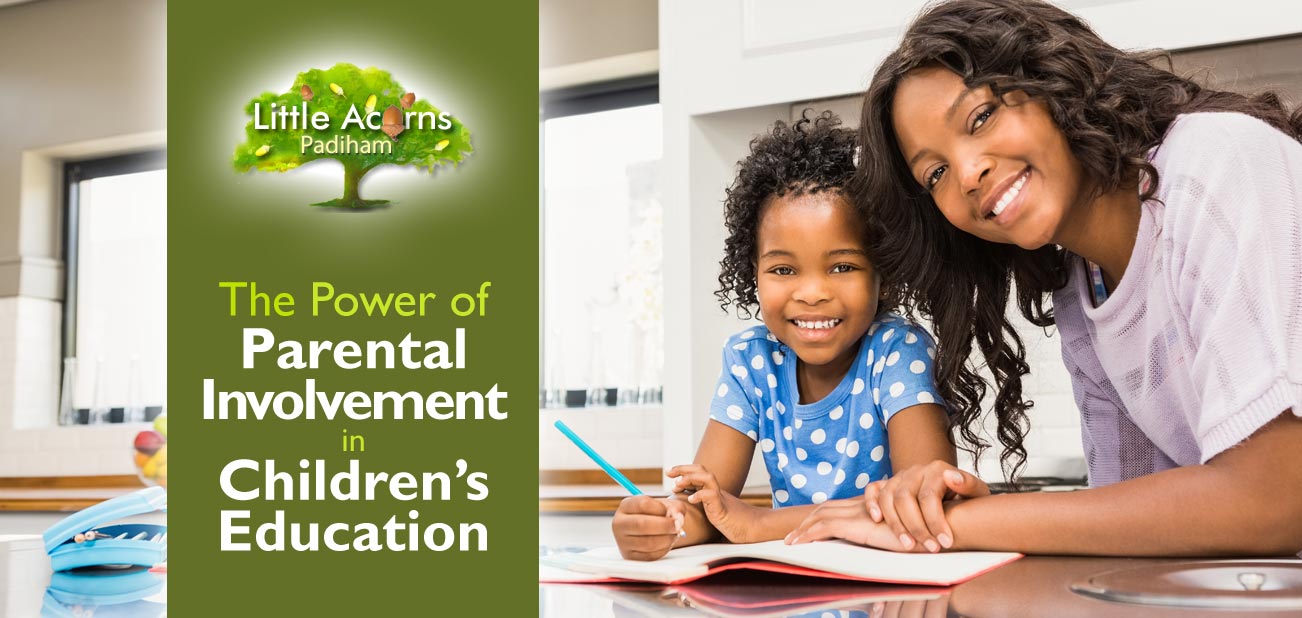
 Parental involvement in a child’s education can take several forms. Note, however, that the benefits are most positive when parents engage right from the early years, beginning in children’s nursery and preschool years. The examples below show the kinds of parental involvement that will enhance children’s lives:
 Applying that information in the form of help and support while the child is at home. Referring to the right textbooks, helping with homework, and helping the child understand any tricky topics are typical examples of areas where parents can help children at home.
 When children do well, praising them will encourage them to keep up the good work. It’ll give them a greater sense of achievement, and some moral support, and help instil a love for learning in them.
 Let’s now look at some of the benefits that children can expect to enjoy when parents are closely involved in their education.
 The benefits of parental involvement in education to children are numerous, though, also including the lowering of stress levels and improved knowledge, skills, outlook and outcomes. The deep and reliable source of support, together with all the other benefits, also combine to make children feel happier, have a higher quality of life, be less likely to skip lessons, be well-behaved, and have closer bonds with both parents and childcare/education staff.
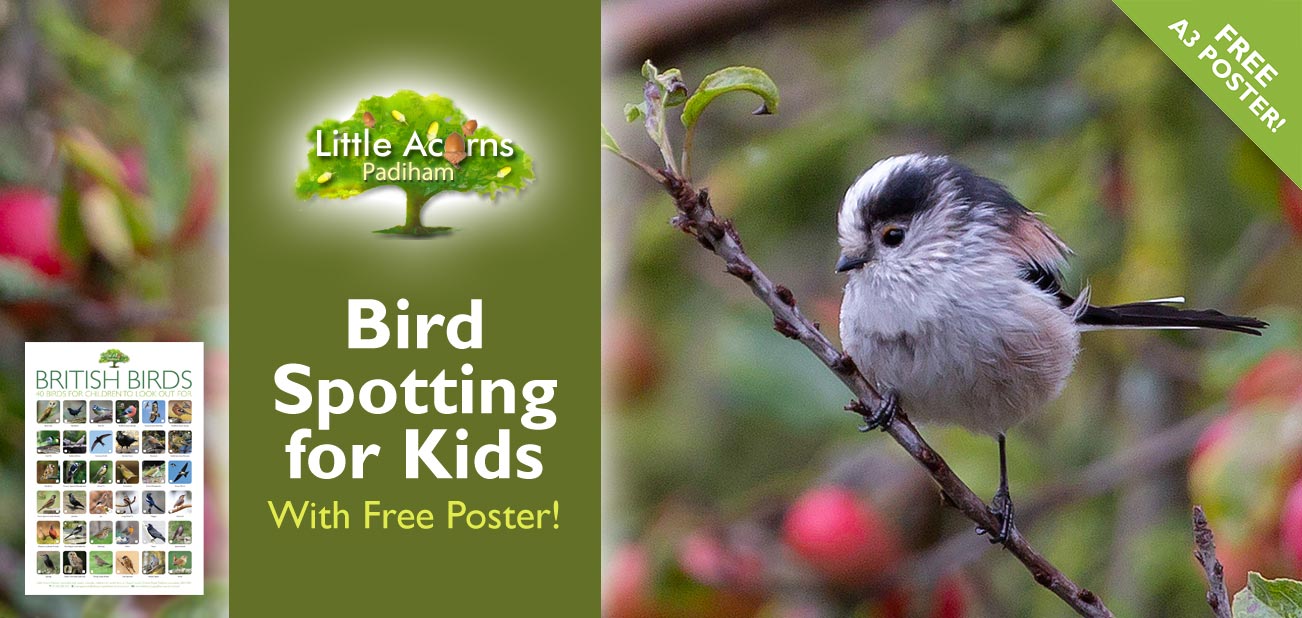
 Today’s bird spotting activity for kids continues our series of nature-themed posts that each come with a free reference poster for families to download. Featuring 40 British birds, the activity and the poster represent a great opportunity to get children of all ages outdoors, closer to nature. As many of us know,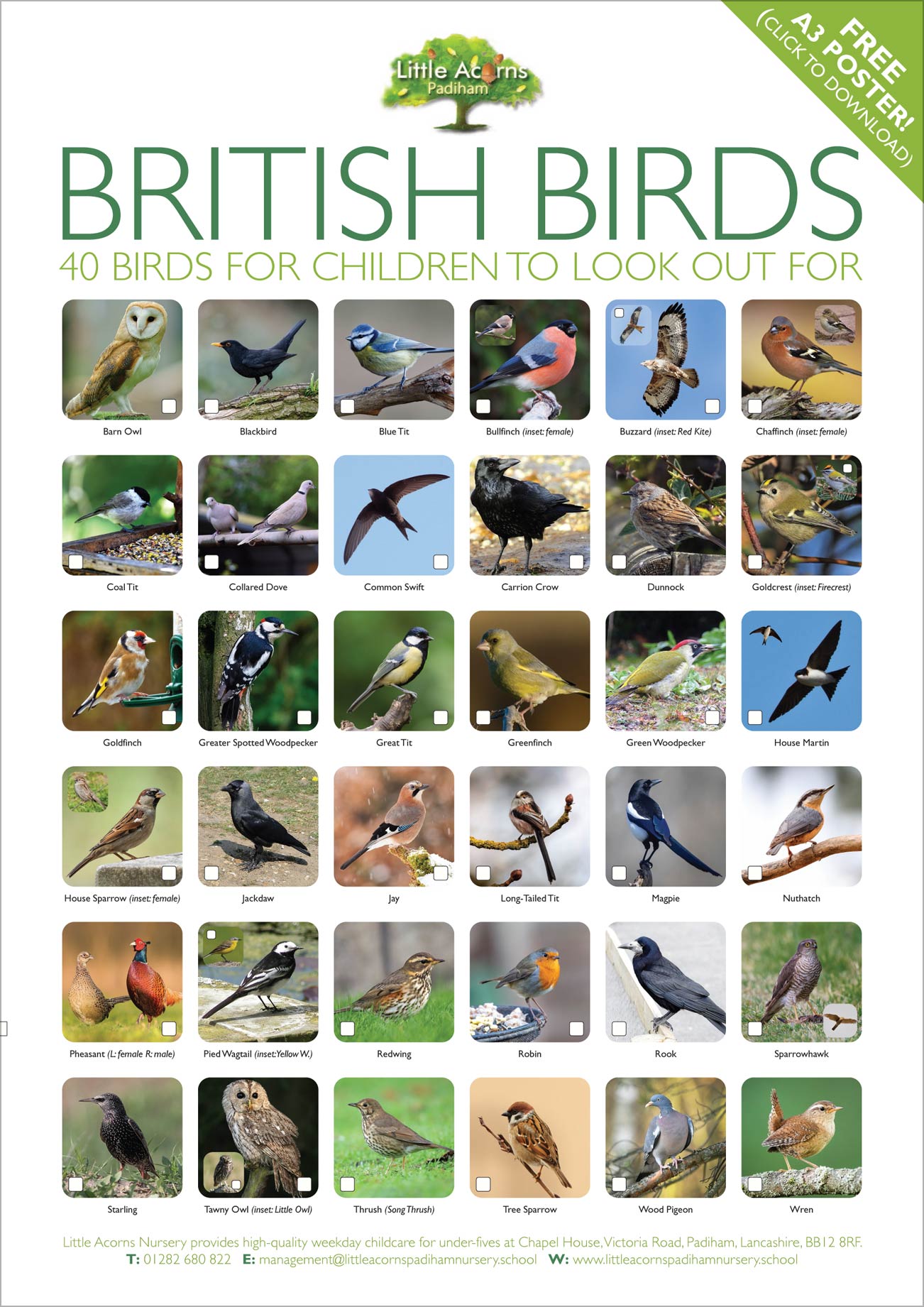
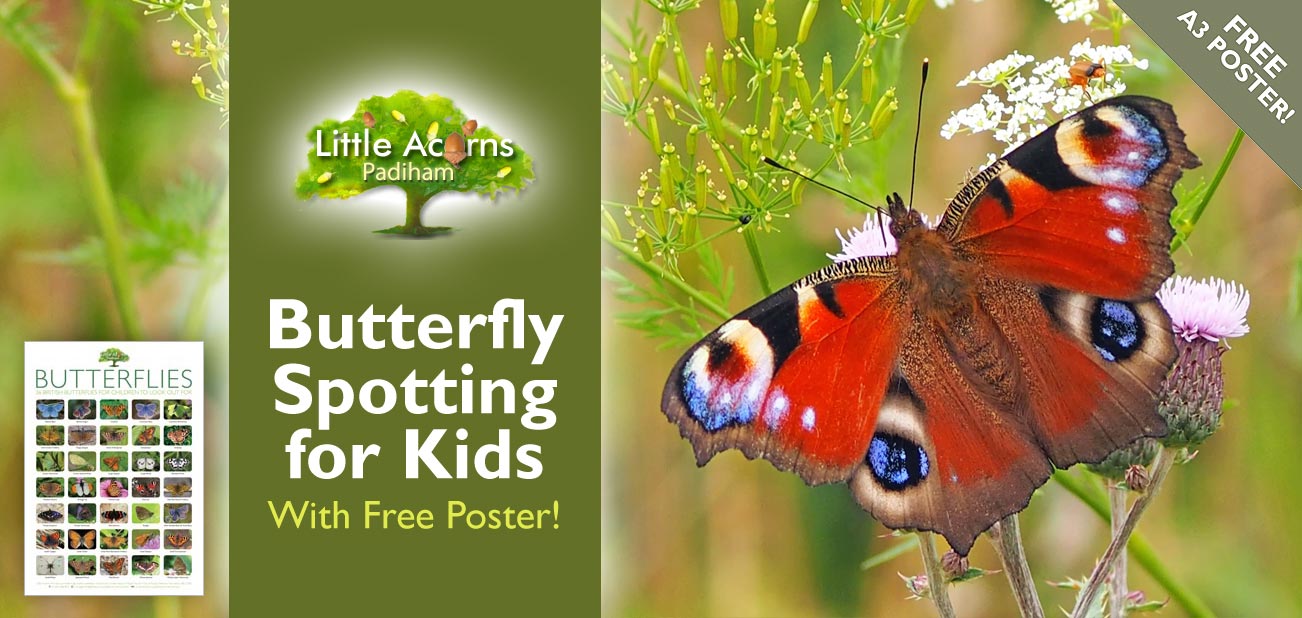
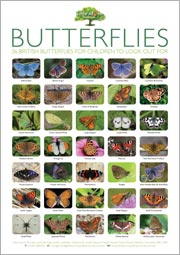 At the time of writing, it’s peak butterfly-spotting time — more adult butterflies can be seen in late July and early August than at any other time in the year. That makes it the perfect time for children to get out in nature to spot these charming creatures. Doing so is fun, educational and also beneficial in so many ways – we’ll explain more about that later.