
How to Use ‘AI’ Magic to Transform Children’s Art
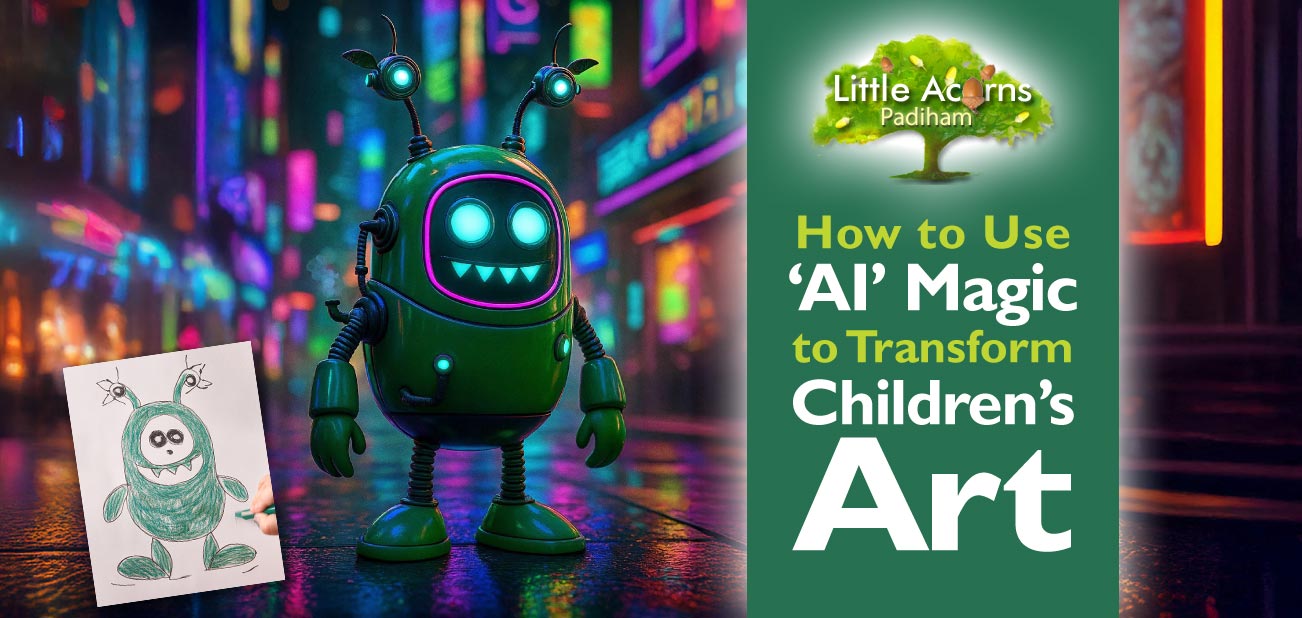
Today, we bring you a fabulous children’s activity. It is one that will encourage them to use their imaginations and get creative while also discovering how to easily transform their art to an astonishingly professional level. Using widely available Artificial Intelligence (AI) tools through help from a parent, their drawings and paintings can be magically enhanced to qualities so sophisticated that they’d look at home in a movie — the results are truly astounding! What’s more, the activity is fun, simple, quick, and achievable for free. It will also show children that their art and creative ideas matter and are valued. Read on to learn how to delight both children and parents by turning kids’ simple drawings into amazingly detailed digital art through the power of AI.

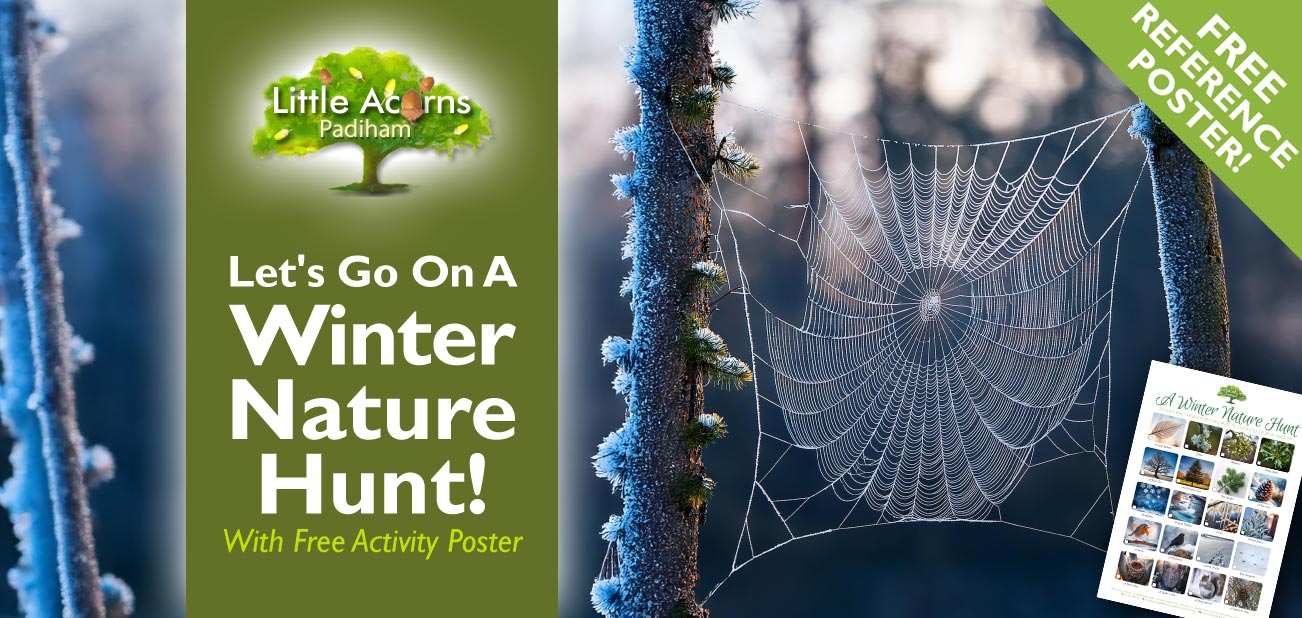

 Childhood is full of magic — not just the kind found in fairy tales, but also the quiet, everyday kind that’s instinctively fed by a child’s curiosity. Little ones have an innate sense of wonder; the world is vast, mysterious, and full of possibility. Whether they’ve discovered a camouflaged moth on a tree trunk, a rainbow stretching across the sky, or the miraculous shape of a fresh snowflake, each can feel like an amazing discovery to a young child. And they really are amazing!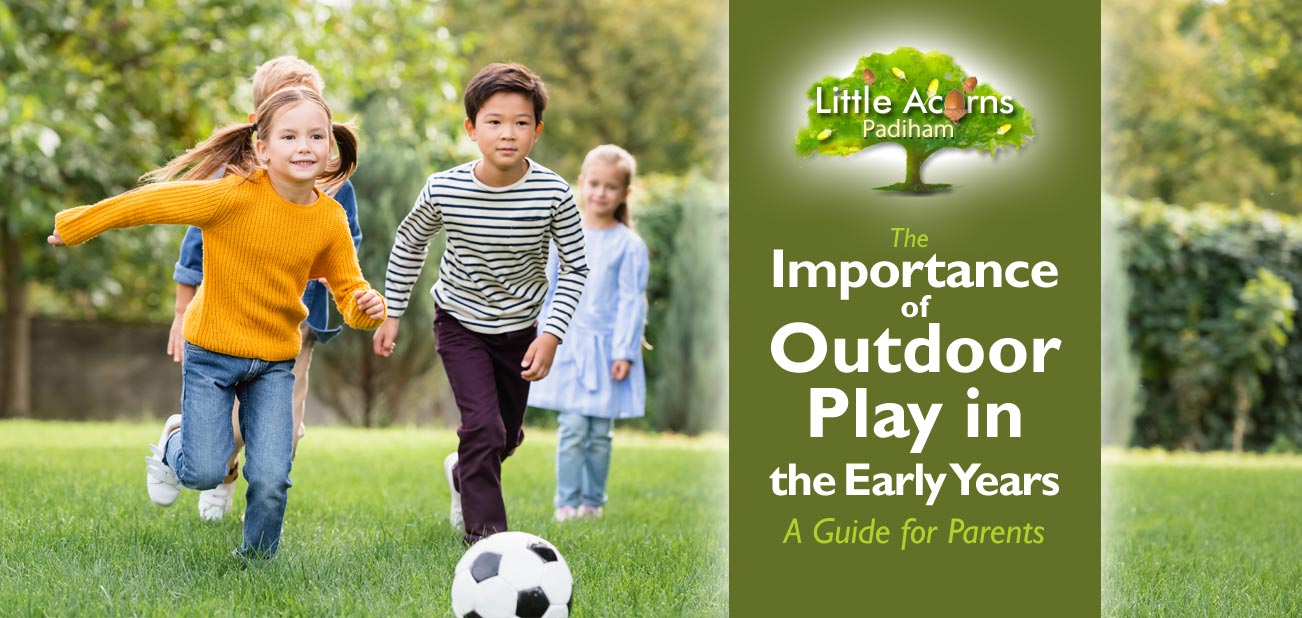
 There’s something truly magical about childhood spent outdoors — the feel of grass under little feet, the thrill of climbing onto a rustic log for the first time, the delight in spotting a ladybird on a leaf, or precious time spent playing with friends. However, in today’s busy, screen-filled world, many children spend far less time outside than previous generations. For children in their early years — toddlers and preschoolers — this simple joy isn’t just fun; it is essential for learning, growth, and wellbeing. Today’s guide explores why outdoor play is so important and offers practical ideas for making it part of everyday life.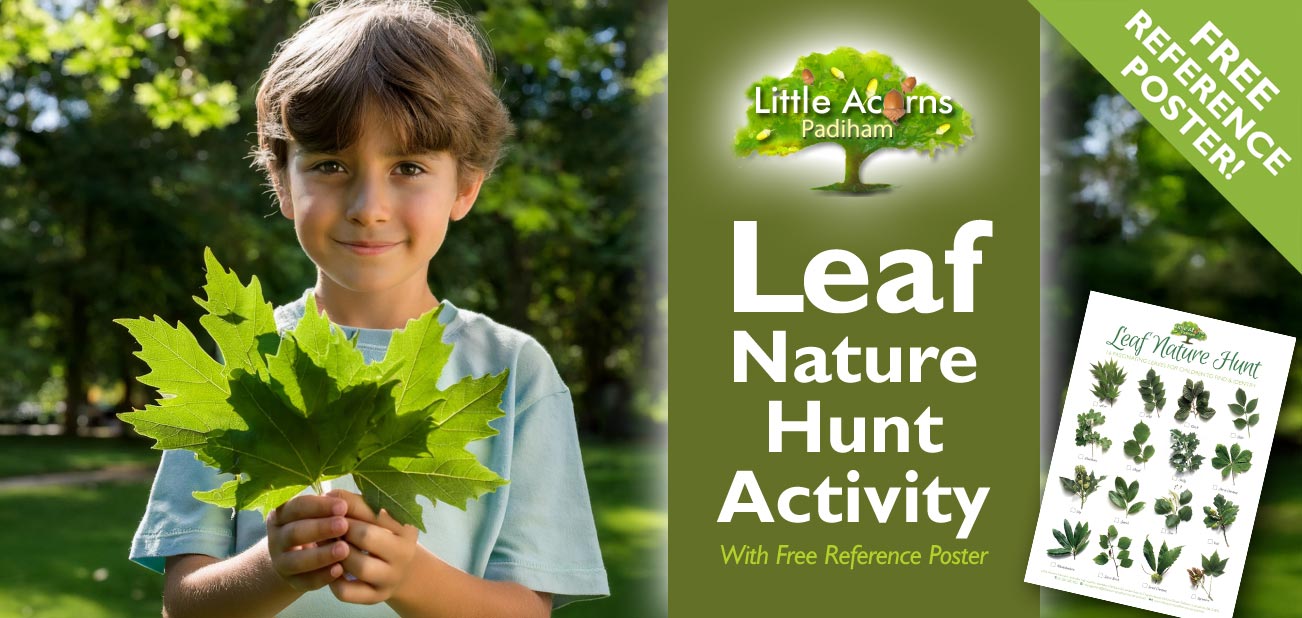
 Summer and autumn are wonderful times for children to experience nature in its full glory. At such times, the natural world is brimming with colourful flora and fauna, and it’s a spectacular feast for their eyes and senses. Outdoors, little ones can learn an enormous amount about the natural world around them, enjoy some fresh air and freedom – under supervision, of course — and reap the

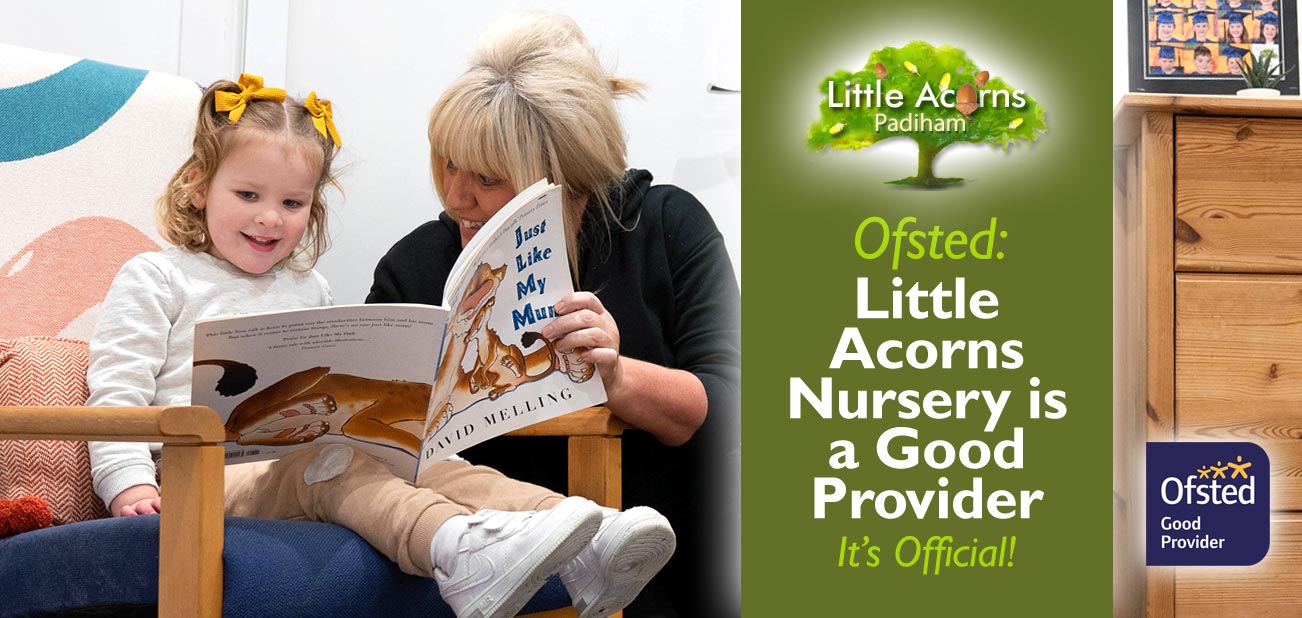
 We’re delighted to announce that Ofsted has published a stunning report for Little Acorns Nursery, Padiham. It’s now official that this excellent Padiham childcare setting is a ‘Good Provider’ — in every category! What’s more, the Ofsted inspector published some wonderfully positive comments about the nursery, staff, and quality of care as part of the report. Their findings are a testament to the high quality of the setting, the professionalism of its early years practitioners and leadership, and the positive impact the nursery has on babies and children in its care. Today, we take a deep dive into the details.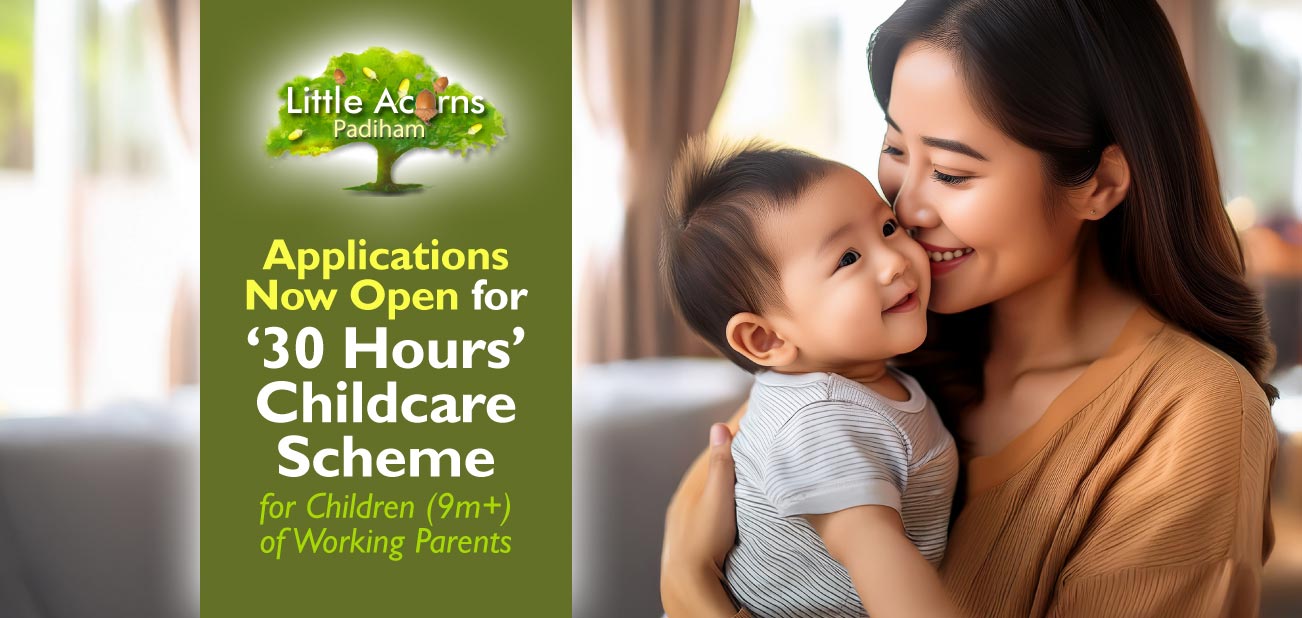
 Attention working families: applications are now open for eligible children, aged from only 9 months, to receive 1140 hours of free childcare per year from September 2025. What’s noteworthy is that this will be the first time such young infants and toddlers can access so many free hours. It effectively doubles the number of free childcare hours previously available to those under 2 via the scheme. The new, extended funding is for eligible working families, who now have until the 31st of August to apply if they would like their child(ren) to start in the September 2025 term.