Tag Archive for: poster

Let's Go On A Winter Nature Hunt! (With Free Activity Poster)

Winter has arrived, and, along with this new, cold season, come some remarkable things for children to see outside in the natural world — and that’s exactly what today’s post is all about. It’s a challenge to little ones to see if they can spot 20 nature-related things outdoors over the coming winter months. What’s more, it comes with a free poster that children can download, print out, and use for reference while they’re out and about on their Winter Nature Hunt.

When Is Winter?

According to the Astronomical calendar, winter arrived with us on December 21, 2025, at what’s known as the Winter Solstice, the shortest day of the year. It’ll remain with us until the Spring Equinox on March 20, 2026, when days and nights once again even up to become virtually of equal length.

In contrast, winter is said to arrive on the first day of December and end on the last day of February — 3 whole calendar months — according to the Meteorological Calendar. That particular calendar works in ‘full’ months as a way of keeping things simple, for example, for weather services and records.

What Can Children Look Out for in Winter?

Take a look at the preview of the reference poster below and the commentary that follows. Despite winter being the season when nature is mostly dormant, it is packed full of interesting and exciting things for children to look out for. Download or view the poster by clicking it, then save it to your device, and print it out to A4 or A5. Children can take this with them on their Winter Nature Hunt and see how many of the 20 suggestions they can discover. Tick boxes are provided.
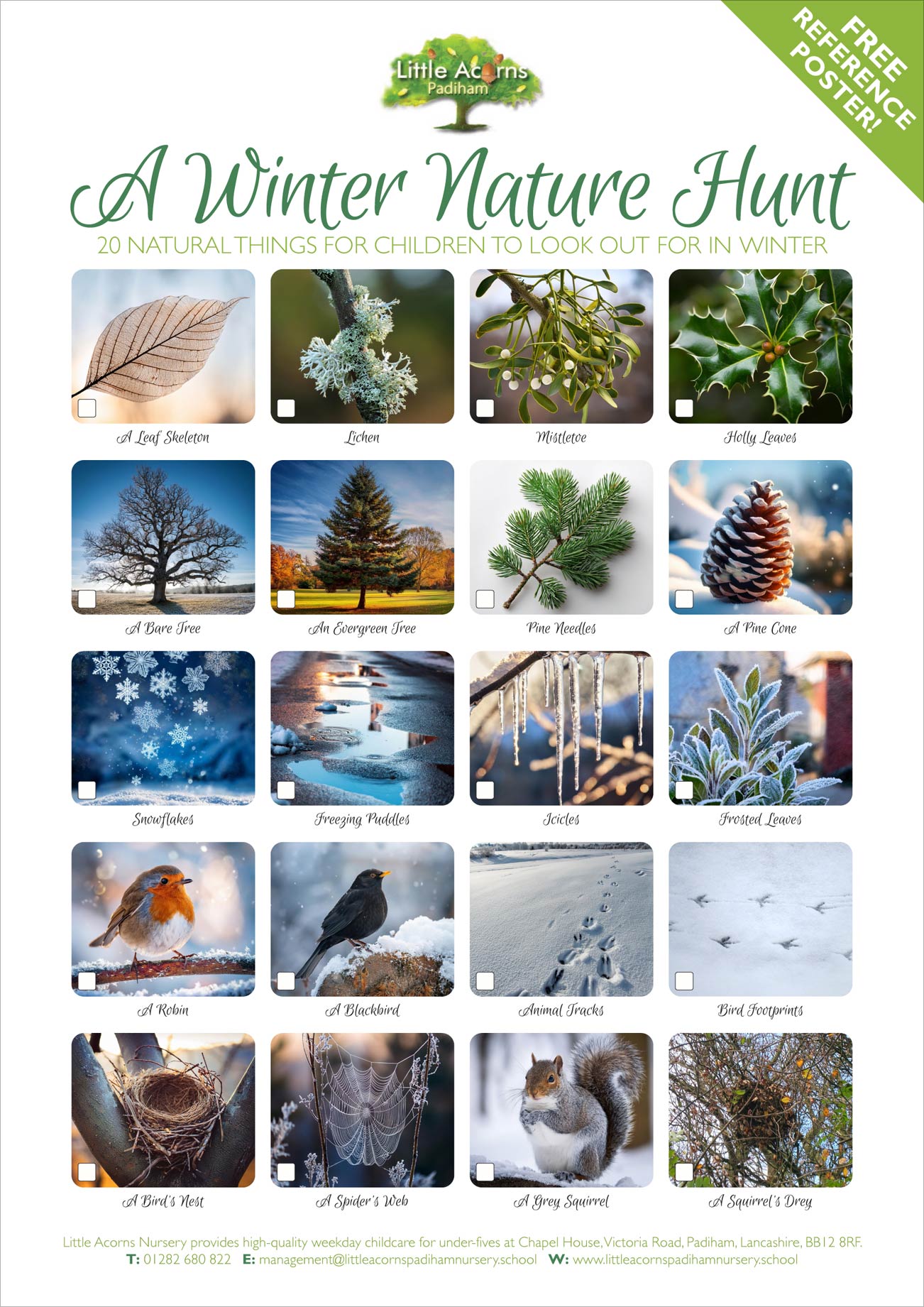
Winter Nature Hunt reference poster preview — click to view or download.

Magical Snowflakes

With winter arriving, it’s certainly cold out there! That means that snow is more likely to arrive at some point. When it does, children can look out for the little miracles that are snowflakes. Each one is amazing, as children will see if one lands softly on their winter jacket or gloves. By looking closely, your little one will see the intricate 6-pointed shape that’s unique to each flake. Snowflakes really are miraculous! They will both enthral and amaze children if they take a moment to look carefully and compare one snowflake to another.

Icicles

Once the snow starts to thaw, children can also look out for another natural wonder on our Nature Hunt list — icicles. They’re beautiful too, in their own way, each telling a story of the dripping water that’s formed them.

Animal & Bird Tracks

When there’s a blanket of snow on the ground, children will also be able to look out for animal tracks and the footprints of birds. If there’s no snow, it’s still possible to do so by looking in patches of mud (all such activities undertaken with close adult supervision, of course). Such prints are a great way to see which creatures have been passing through at some point earlier in the day or night.

Frost-Encrusted Plants, Trees & Spiders’ Webs

Frost is also rather magical when it arrives, especially first thing on a winter’s morning when it coats literally everything. Children can look out for leaves, grasses, and even spiders’ webs bejewelled in the tiny crystals of ice that make frost. They make the landscape’s plants and trees look magical! And those spiders’ webs look so incredibly decorative when coated, whether by frost, morning dew, or even raindrops. Nature is incredibly beautiful, and children will instinctively be drawn to such wonder.

Leaf Skeletons

Leaf skeletons are another natural wonder for children to look out for. They may not be so easy to discover, but they are out there if children take the time to look. Once found, children will be delighted and intrigued by the fine, structural filigrees that make up the leaf shapes. Leaf skeletons are also something children can take home to press between the pages of a book or pad, so they dry flat. They can be used simply as keepsakes or as part of a creative activity of some kind.

Winter Visitors Like Birds & Squirrels

Let’s also not forget some of the feathered and furry friends that little ones can look out for in winter. On the free poster, we’ve highlighted just three as a starting point — robins, blackbirds, and grey squirrels. All such creatures may become regular winter visitors if the right food is provided. Birds love sunflower hearts and grated Cheddar cheese, for example (learn more in our Simple Bird Feeders guide). Squirrels love nuts, seeds, and sunflower hearts too, as well as bird-safe peanuts. Such foods are very much welcomed by many of nature’s garden visitors over winter, when natural food sources are so depleted.

Lichen, Mistletoe, Pine Cones, & Much More

Other items that will intrigue children are also included on the free poster, for example, lichen, mistletoe, pine cones, and pine needles. Speaking of trees, we also highlight two major types of trees for little ones to look out for and compare; evergreens have leaves or pine needles all year round, while deciduous trees shed leaves in autumn and have bare branches throughout winter. All such natural occurrences can spark educational conversations between parent and child. Children can learn so much from nature and the world around them. Our poster is just a starting point, though, and there are many more interesting, educational, and amazing things to look out for during the winter months if children and families take the time to proactively look. Nature is amazing but, what’s more, nature is incredibly good for children (and adults). This is therefore a very worthwhile activity — have fun!

More Free Nature Activity Posters for Kids!

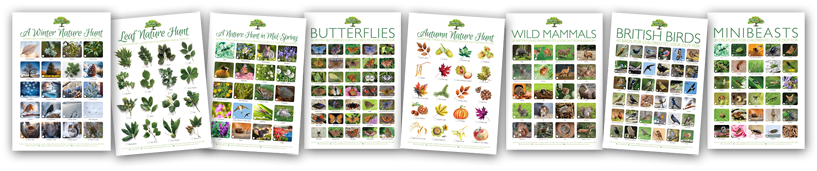
Today’s Winter Nature Hunt activity is one of a series that each comes with a free, downloadable poster for children. So, why not also try our Spring Nature Hunt activity, Autumn Nature Hunt, and Leaf Nature Hunt activity? We also have a free British Land Mammals poster, Minibeast spotting poster, Bird spotting poster, and Butterfly spotting poster for families to use as the basis of more outdoor activities. Click the bold links for more information and free downloads.

More children's activity posters are available free from this website.

Little Acorns Nursery

Padiham’s Premier Childcare Service
Little Acorns Nursery & Preschool is in Padiham, Lancashire, near Hapton, Rose Grove, Burnley, Altham, Huncoat, Read, Simonstone, Sabden, Higham, and Wood End. Ofsted rates Little Acorns Nursery, Padiham, as a Good Provider of childcare in all categories.Little Acorns Nursery is a wonderful weekday childcare setting in Padiham, where children’s learning and development are nurtured in a warm, home-from-home setting. With its own garden and nature zone, little ones get to enjoy nature safely on-site, as well as benefit from the fabulous activities, resources, and facilities indoors. Recognised by Ofsted as a good childcare provider, Little Acorns really is an excellent choice for early years childcare.

To learn more, enrol your child for a place, or come for a guided visit, please get in touch today:

Little Acorns is a high-quality nursery in Padiham, Lancashire, that provides first-class weekday childcare to local families, virtually all year round. As well as serving those in Padiham, we may also suit families nearby in places like Hapton, Rose Grove, Burnley, Altham, Huncoat, Read, Simonstone, Sabden, Higham, and Wood End.

Alert Alert

Safety First!

Don’t forget: children, particularly the youngest, should always be accompanied and supervised by a parent or responsible adult when exploring outdoors — there are many hazards out there!
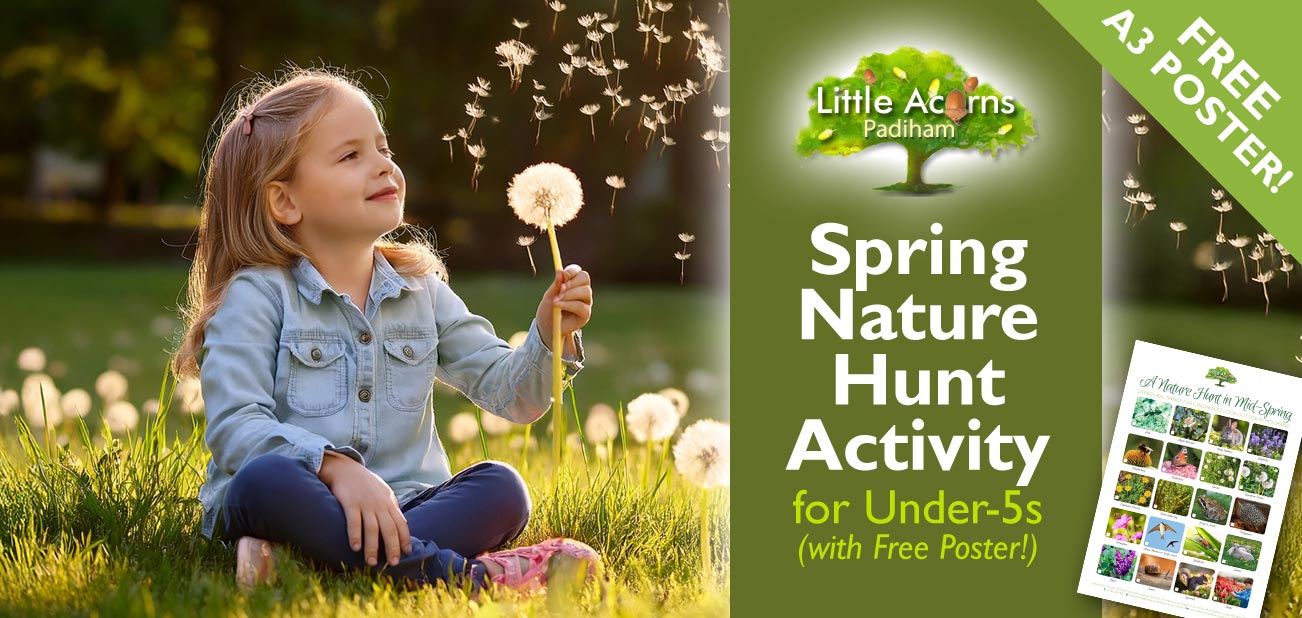
Spring Nature Hunt Activity for Under-5s (with Free Poster!)

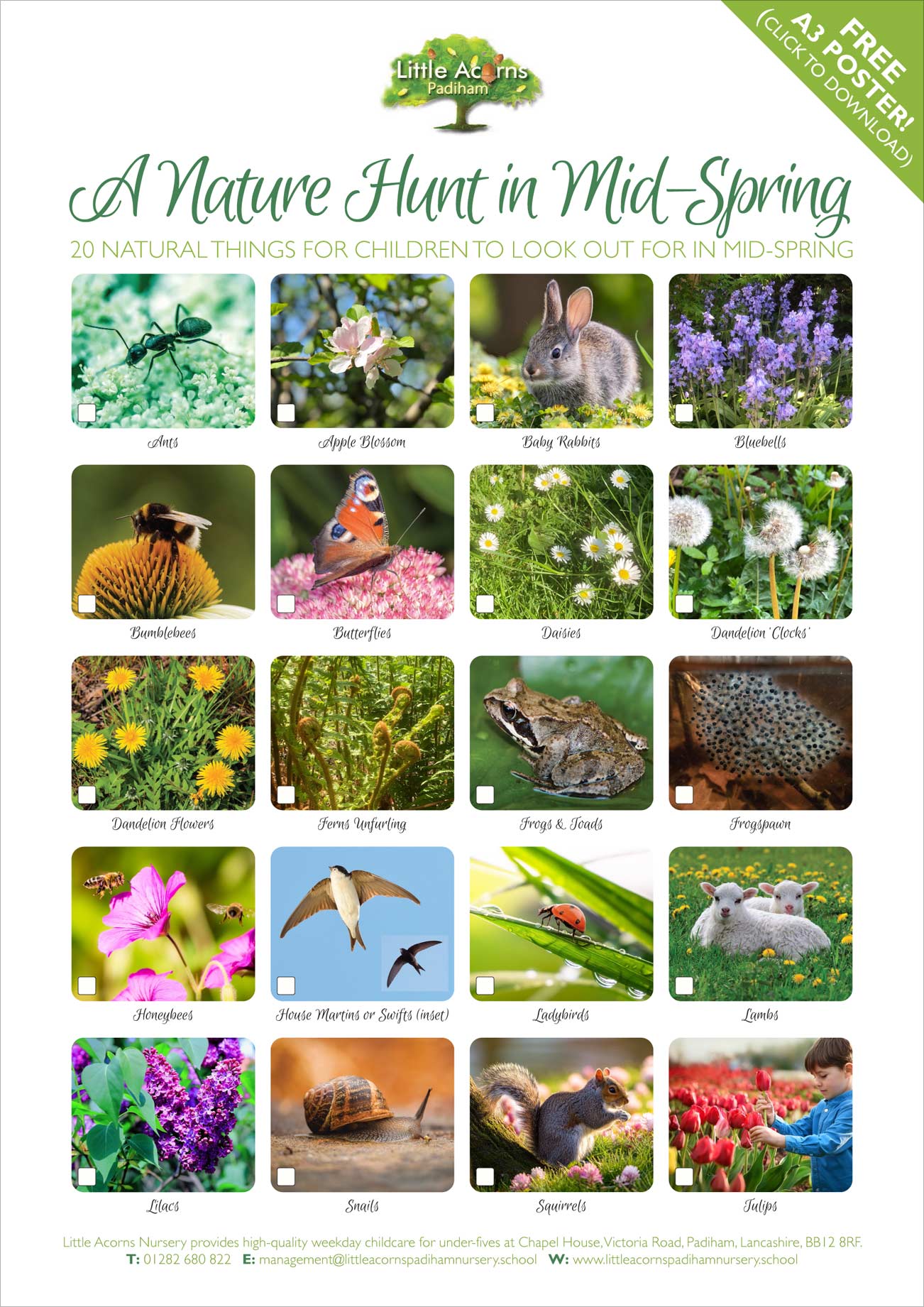
In the height of spring, sunshine lifts our spirits, spring flowers bloom and birds and pollinators suddenly become more abundant. With so much flora and fauna bursting forth and beauty all around, it’s a wonderful time for children to get outdoors to experience nature first-hand. In today’s activity, they can do all of that through a mid-spring nature hunt. We even supply a free poster for little ones to use as reference during the activity! The fresh air will be good for them, they can burn off some energy as they explore the outdoors, and nature will benefit them in a myriad of ways. They’ll discover more about the natural world, nurture their own well-being through close proximity to nature, and learn about some of the natural delights that come with the season.

Can they spot some daisies? How about some bluebells? What about a squirrel leaping through the trees? Has your little one discovered dandelion ‘clocks’ yet? Those are some of childhood’s joys and are irresistible to children of all ages! Snails are beginning to reappear too, and baby snails are an absolute cuteness overload as they carry their tiny homes on their backs. Apple blossom is simply beautiful, and a sure sign of some delicious apples coming later in the year. All these things and more are part of today’s nature-based activity, with reference images hand-picked to coincide perfectly with mid-spring. Download the free poster today, print it out, and head on out to the Great Outdoors with your little ones. The activity will give them a wonderful introduction to some of nature’s magic this springtime. What’s more, spending time close to nature is good for parents too!

Download the Free Reference Poster

Preview of the Spring Nature Hunt activity poster and reference sheet. Click to download the high resolution version.

Click the poster preview image to view on screen or download in PDF format (whether you left- or right-click will depend on your browser set-up, so try each if unsure). Posters can be printed as large as A3 (great for displaying on your child’s bedroom wall), reduced to A4, or as small as A5 (perfect as a reference sheet to take on the activity). Parents: don’t forget a pencil, pen or crayon so that each item that your child spots can be ticked on the reference sheet — little tick boxes are provided.

Fun Facts for Mid-Spring

Putting together the nature reference poster got us thinking! Here are some fun and interesting facts that were brought to mind:

  • The word dandelion is based on the French for 'teeth of the lion' — perfect for the shape of the leaves.Bluebells also come in pink or white. They’re referred to as pinkbells (also known as pink bluebells and Spanish bluebells) and whitebells (or white bluebells).
  • Have you ever noticed that dandelion leaves are like a row of sharp teeth? In fact, the word dandelion is based on the French for ‘teeth of the lion’ — dents du lion.
  • Dandelion clocks are known as such due to the childhood pastime that so many of us are familiar with. The theory is that children can tell you the time by the number of puffs it takes to blow all the seeds off into the air. It is, of course, only occasionally accurate!
  • Frogspawn is a wonderful way to teach children how some creatures evolve from eggs, through infancy, into adulthood. With frogspawn, they start off as tiny, transparent eggs, then grow a tail that enables them to swim. Later come arms and legs, then they lose their tail and mature into tiny infant frogs. It’s incredibly educational and engaging for children to witness.
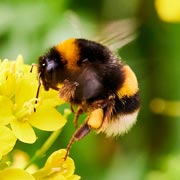
  • Nectar baskets are the little yellow leg pouches that some bees have to collect nectar for transporting to the hive.Does your child know about bee nectar baskets? Those are the little yellow leg pouches that can be seen on some bumblebees’ and honeybees’ legs. They are where the bees collect and store their nectar ready to transport back to the hive.
  • Teach your child about the importance of pollinators, which include bees, butterflies and hoverflies. Without them, flowers would not be fertilised i.e. pollinated. And without pollination, we’d have no fruit, vegetables, seeds, cereals, legumes and nuts to eat. So, we owe all those cute pollinators enormous thanks!
  • An earlier version of our spring reference poster included snowdrops, daffodils, and crocuses. However, by mid-spring, they’re disappearing rapidly because their blooms peaked in very early spring. Meanwhile, bluebells are at their peak by mid-spring (right now at the time of writing), so go in search of them quickly if you don’t want to miss this year’s beautiful crop! If you can find a blanket of flowering bluebells in a wood, take note not only of the visual beauty but also of their gentle scent on the breeze.

The Benefits of Nature

Nature is incredibly good for children and adults alike.We’ve said before — and we’ll keep on saying — nature is incredibly good for children and adults alike. But what are some of the benefits, and why is nature so important to children? Well, we wrote an article about it and you can read our top 20 reasons why nature benefits children here. To give you an idea, it’s educational, stimulates creativity, is good for both mind and body, promotes deeper thinking, and is a feast for the developing senses. It also encourages empathy, teaches little ones about the circle of life, improves concentration in the classroom, and even helps children improve academic grades. These are just the tip of the iceberg, however, so click the bold link to learn much more about why spending time in and around nature is so beneficial to children.
We hope that children (and parents) have great fun with this seasonal nature-based activity. Feel free to share a link to the post with friends and spread the word about the free poster!

Little Acorns Nursery, Padiham, Lancashire

We offer a first-class weekday childcare service in Padiham, Lancashire

Little Acorns Nursery & Preschool is in Padiham, Lancashire, near Hapton, Rose Grove, Burnley, Altham, Huncoat, Read, Simonstone, Sabden, Higham and Wood End. Little Acorns is a wonderful nursery and preschool in Padiham, Lancashire. Here, children aged up to five get the very best start in life and an early years education that’s tailored to them. It’s all about bringing out the very best in every child at Little Acorns. Our fabulous team of early years practitioners will look after them every day in a wonderful home-from-home environment. We’ll ensure they feel loved and valued and are given every opportunity to absolutely shine, so they’re ‘school ready’ by the time they leave us to start school. We also support free childcare places through the many different government-funded childcare schemes available to eligible families. Get in touch today to learn more, apply for a place, or ask questions. We can’t wait to meet you and your child!

Located in Padiham, the nursery will also suit families living in nearby towns and villages like Hapton, Rose Grove, Burnley, Altham, Huncoat, Read, Simonstone, Sabden, Higham and Wood End.

Safety notice: Supervise children at all times and encourage them to look but not touch when scouting outdoors for the signs of spring. There are many dangers out there including insects that sting, plants that are poisonous, fungi that are toxic — and even snails can pose potential dangers (lungworm).

British Land Mammals – Free Poster for Children

Last month, we published 20 Benefits of Nature to Children, which explained the profoundly positive impact that nature has on children. Indeed, it can transform their lives cognitively, emotionally, spiritually, creatively, and even academically. With that in mind, we continue our series of free nature-based posters that children and families can download and print out. Today’s poster is all about British* Land Mammals. Children can display it in their rooms or print it out as a reference sheet to use when out in nature. How many of the mammals can your child name — or spot over the coming months?

“Look deep into nature, and then you will understand everything better.” – Albert Einstein

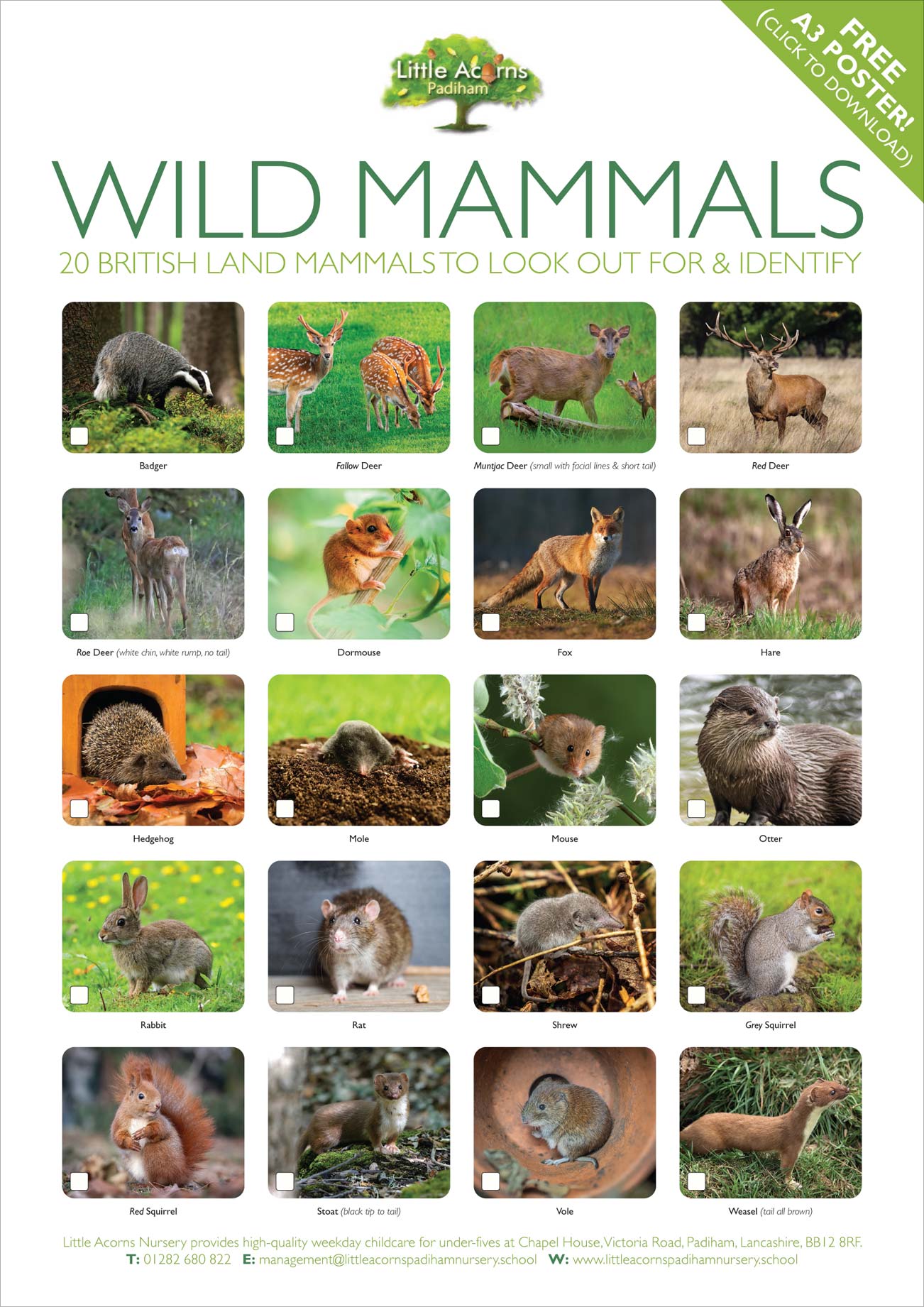
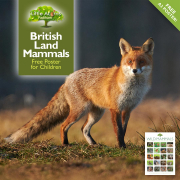
The free poster features high-resolution reference images of 20 land mammals that can be spotted in Britain, including anything from badgers to weasels. There are several types of deer, plus mice, foxes, hares, hedgehogs, rabbits, squirrels and more for children to name and try to spot when out and about. Some, like red squirrels, for example, are less commonly seen than others — but that’s all part of this challenge! Here’s a preview:

Preview of the free poster featuring 20 land mammals that can be spotted in Britain. Click to download.

Click the poster image or this link to first download the poster in Acrobat PDF format, then either view it on a screen or print it out using your printer’s best printing settings and paper for best results.

Other Free Nature-Based Posters Available for Kids

The British Land Mammals poster is part of a growing set of nature-based posters that children and families can freely download and collect from this nursery website. They are attractive and educational — and little ones generally love animals. Other wildlife posters in the same series include minibeasts, birds, and butterflies, plus an autumn nature hunt poster that’s along similar lines.

“Because little nature lovers grow into big nature lovers.” – Unknown

More Reasons to Get Children Interested in Nature

As well as the benefits of nature already mentioned, getting children interested in the Great Outdoors will also benefit their fitness, knowledge, empathy, and awareness of ecological matters. Learning that we need to nurture nature and look after the future of the planet are all things that can come from an interest in nature in childhood. So, downloading today’s poster may well become a step along the path to a healthier lifestyle and greener choices for a child. As the saying goes, “from little seeds grow mighty trees” and that’s a perfect metaphor to illustrate where the simple act of printing out nature-based posters could lead for any child.

“Children are born with a sense of wonder and an affinity for nature. Properly cultivated, these values can mature into ecological literacy, and eventually into sustainable patterns of living.” – Zenobia Barlow

Nature Around Little Acorns Nursery & Padiham, Lancashire

Little Acorns Nursery & Preschool is in Padiham, Lancashire, near Hapton, Rose Grove, Burnley, Altham, Huncoat, Read, Simonstone, Sabden, Higham and Wood End. Children and families from Little Acorns Nursery in Padiham are lucky to be surrounded by parks, hills, waterways and Lancashire countryside. Here, a rich variety of wildlife may be seen, including perhaps some of the mammals featured today. Patience, perseverance, self-control, active listening, and a degree of quietness will be needed if some of the more shy creatures are to be spotted. Those are all good skills for children to practise, though.

“If a child is to keep alive his inborn sense of wonder … he needs the companionship of at least one adult who can share it, rediscovering with him the joy, excitement, and mystery of the world we live in.” – Rachel Carson

At our Padiham nursery, we also ensure that children get to spend time in our lovely garden and its wild zone. These are regularly adapted to complement specific learning topics being covered in the nursery’s curriculum, as well as to suit children’s individual nature-based interests.

If you are considering sending your baby or child under five to our excellent childcare nursery and preschool, please select an option below:

It may help to know that our nursery/preschool is also close to families in Hapton, Rose Grove, Burnley, Altham, Huncoat, Read, Simonstone, Sabden, Higham and Wood End.

  • * For the purpose of this poster, British refers to those mammals that can be seen and found in Britain. While not all of those featured were originally indigenous to the British Isles, they’re here now and are therefore an integral part of today’s Britain.

Minibeast Spotting Activity for Kids (with Free Poster!)

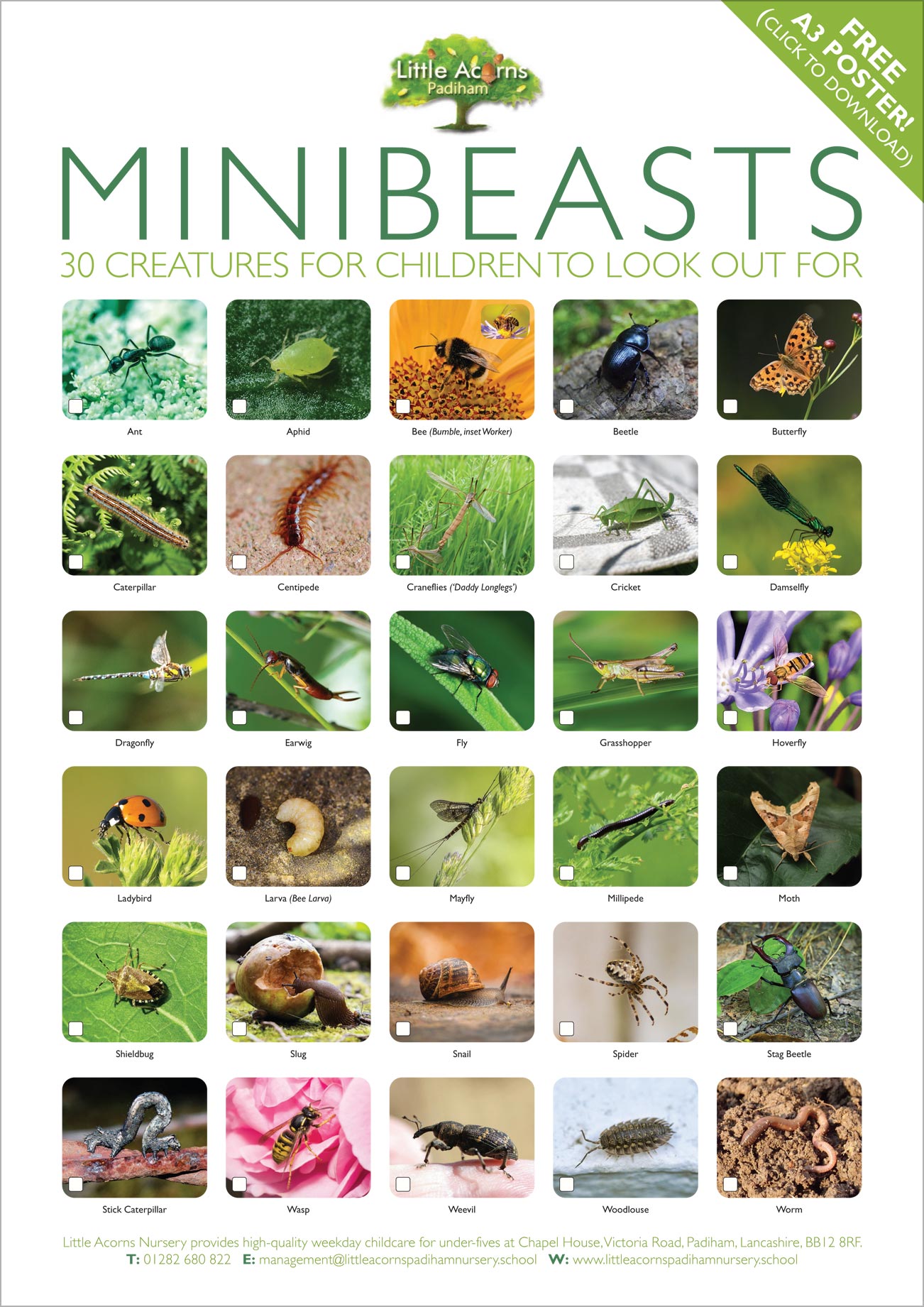
Today’s Minibeast Spotting activity completes a trio of nature-based posts that each include a free poster. Featuring 30 different minibeasts for children to find and identify, it’s designed to encourage children to get outdoors, learn about the different creatures nearby, explore, and benefit from everything that nature has to offer. With previous free posters covering bird spotting and butterfly spotting activities, these nature-themed activities will give children a really good insight into some of the interesting and exciting creatures they can see in their gardens and neighbourhoods if they simply take some time to look.

Children Love Minibeasts!

Children will love spotting minibeasts, discovering different creatures and learning to name each of them. They will soon learn that creatures like ladybirds, hoverflies, caterpillars, butterflies and bees are simply adorable. Children are also likely to be fascinated by creatures like ants, which are incredibly clever and well-organised, and minibeasts like beetles, millipedes and worms. Such creatures are so different to humans and gently observing them can bring real insights to children about our natural world from the viewpoint of different creatures. Indeed, nature is a huge educator and holds immense benefits to children. We’ll write a separate, more detailed, post about those benefits in the future. Suffice it to say, though, that nature-based activities will help children emotionally, spiritually and physically as well as help them learn new facts, information and skills. Without further delay, let’s now take a look at the free poster preview below and learn how to download it for your child.

Minibeast Spotting Poster (Preview):

Preview showing the free minibeasts poster (click to download the high resolution version in Acrobat PDF format)

How to Download the Free Minibeasts Poster

The poster is supplied as a 3MB downloadable file, in PDF format. That means you’ll need Acrobat Reader on your device to view and open it. Most devices will already have that installed but, if not, don’t worry — Acrobat Reader is also available for free, here. To download the poster itself, simply click the preview image above, or download the free poster via this link. Whether left-clicking or right-clicking is best will depend upon your device’s settings so, if in doubt, try either to see which one prompts you to save the file. Once saved, it can be opened, viewed, and printed out from Acrobat Reader. Print at A3 in high quality on your best printer paper for best results, or ‘scale to fit’ to fit your paper if it’s A4. You/your child can also view the poster on screen, for example on a tablet, smartphone or desktop screen, and zoom in for all the lovely detail.

The UK is home to approximately 25,000 different kinds of minibeast! Many are sadly in steep decline1, so it’s important to raise awareness and encourage interest, including in the very young.

1. According to the State of Nature report for 2023, “Invertebrates such as insects, spiders and millipedes have been found, on average, in 13% fewer places now than in 1970.”

Tips for Spotting Minibeasts

Minibeasts can be lurking almost anywhere outdoors, so children can search and find them virtually wherever they live. Below are a few of the most popular places minibeasts are likely to be found:

  • On and around the leaves of plants (after all, those are home to many critters);
  • On and in flowers, because they’re attracted to the nectar, which is a food source for many;
  • Under rocks, stones, flower pots and suchlike, which may be their home (N.B. be gentle when lifting and replacing such things, so the creatures are not hurt);
  • On and in growing fruit and vegetables, which may be a food source for them;
  • Around the base of plants, grass and lawns, where they may be sheltering from predators;
  • On or under soil, which may be their home;
  • On and in rotting logs and fallen branches;
  • And finally — the best place of all for some minibeasts — in compost heaps! They love the rotting organic matter but, again, take care not to hurt them by being gentle and disturbing their habitat as little as possible.

Enjoy, Be Safe & Be Gentle!

Spending time out in nature and searching for its creatures is great fun, but great care needs to be taken:

  • For the sake of child safety and well-being, children should always be accompanied by a supervising adult — particularly for the very young.
  • Adults should also teach children how to be vigilant about the potential dangers and hazards associated with the outdoors.
  • Adults should teach children about gentleness and empathy around other creatures, however small. Minibeasts are fragile and powerless against the comparative might of humans, but each is an individual in their own right. It’s therefore kind to teach children about compassion for other beings and the need to treat them with huge care and empathy.

Why This Activity is More Important Than You Might Think

Lastly, though, have fun and take time to ensure children learn about nature and all its flora and fauna. Nature teaches children so much about the world and indeed, spending time in the natural world also teaches children about themselves and their place in the world. It may even lead to a lifelong passion for nature and an interest in issues like ecology, global warming, restoring habitat loss and protecting creatures in danger of extinction. Don’t forget that our children will one day become the new stewards of our planet. And, when you bear in mind how important pollinators are for food production and how many of them are in steep decline, a deep interest in the natural world has never been more important.

“When the first #StateofNature report was released in 2013, 1 in 10 of our species were threatened with extinction. Today, it is 1 in 6 species. Rapid nature loss is happening NOW, all around us.” (Wildlife Trust)

Children Love Nature at Little Acorns Nursery in Padiham!

Little Acorns Nursery & Pre-School is in Padiham, Lancashire, near Hapton, Rose Grove, Burnley, Altham, Huncoat, Read, Simonstone, Sabden, Higham and Wood End.

Our childcare professionals know just how important nature and outdoor play is to children, so we ensure they have plenty of opportunities to experience both at Little Acorns Nursery in Padiham. It’s also why we will ensure we publish articles and guides relating to outdoor play and nature here on the Little Acorns blog. Indeed, it’s a treasure trove of useful information, on a wide variety of topics, for parents of babies, toddlers and under-fives!

If you require the highest quality weekday childcare and an outstanding early years education for your little one, why not consider Little Acorns Nursery in Padiham, Lancashire? The setting offers a warm, inviting and nurturing home-from-home for babies, toddlers and preschoolers and really brings out the best in every child. What’s more, we support all the Government’s childcare funding schemes for eligible families. These include, for example, free childcare hours for 2-year-olds and up to 30 free hours per week for 3 and 4-year-olds.

To register your child for a nursery/preschool place, book a guided tour, or find out more, please get in touch using one of the following options:

As well as being located in Padiham, Lancashire (BB12), Little Acorns Nursery may also suit those living or working nearby in Hapton, Rose Grove, Burnley, Altham, Huncoat, Read, Simonstone, Sabden, Higham and Wood End.