
 Childhood is full of magic — not just the kind found in fairy tales, but also the quiet, everyday kind that’s instinctively fed by a child’s curiosity. Little ones have an innate sense of wonder; the world is vast, mysterious, and full of possibility. Whether they’ve discovered a camouflaged moth on a tree trunk, a rainbow stretching across the sky, or the miraculous shape of a fresh snowflake, each can feel like an amazing discovery to a young child. And they really are amazing!
As parents and caregivers, we have the privilege of seeing that magic unfold to our children. We also have the power to nurture it. Sometimes such moments appear in the most unexpected of places, while at other times, they grow from shared adventures that have taken a little more planning. All such experiences can become treasured memories that a child can carry with them for years — and we can help.
See the World Through Their Eyes
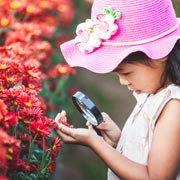 Young children experience the world differently to adults. They notice details we’ve long since stopped paying attention to — the way water ripples in a puddle, a cloud that may be shaped like an animal, or the captivating sparkle of a ‘special’ rock as it glints in the sun. To little ones, these are truly magical. What’s more, they’re all around us but, with our busy lives, go unnoticed so often by adults.
However, such wonders are to be celebrated! Taking time to see things from a child’s perspective helps you reconnect with that sense of awe. As well as reinforcing how magical the world is to little ones, it also reminds you what you may have forgotten about the amazing planet we inhabit. So, next time you’re walking or exploring outdoors with your child, try slowing down and letting your child lead the way. You might find yourself stopping every few steps to inspect something special that you’d have otherwise passed by. To young children, such exploration and discovery is a truly magical part of childhood. What’s more, reconnecting with such moments can open adults’ eyes to forgotten wonders too.
Even ordinary outings can become big adventures when seen through a child’s eyes. For young children, a trip to a new park, feeding some particularly fancy ducks, or watching an unusually spectacular sunset can seem every bit as magical as a faraway journey.
Nature’s Magic in Everyday Moments
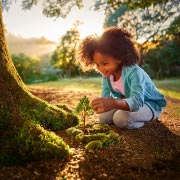 The natural world offers endless opportunities for children to experience wonder. It’s a place where all the senses come alive. Take time with your child, therefore, to enjoy such opportunities — the feel and beauty of soft moss, the smell of fresh rain in the air, the sound of leaves crunching underfoot, and a million other such possibilities.
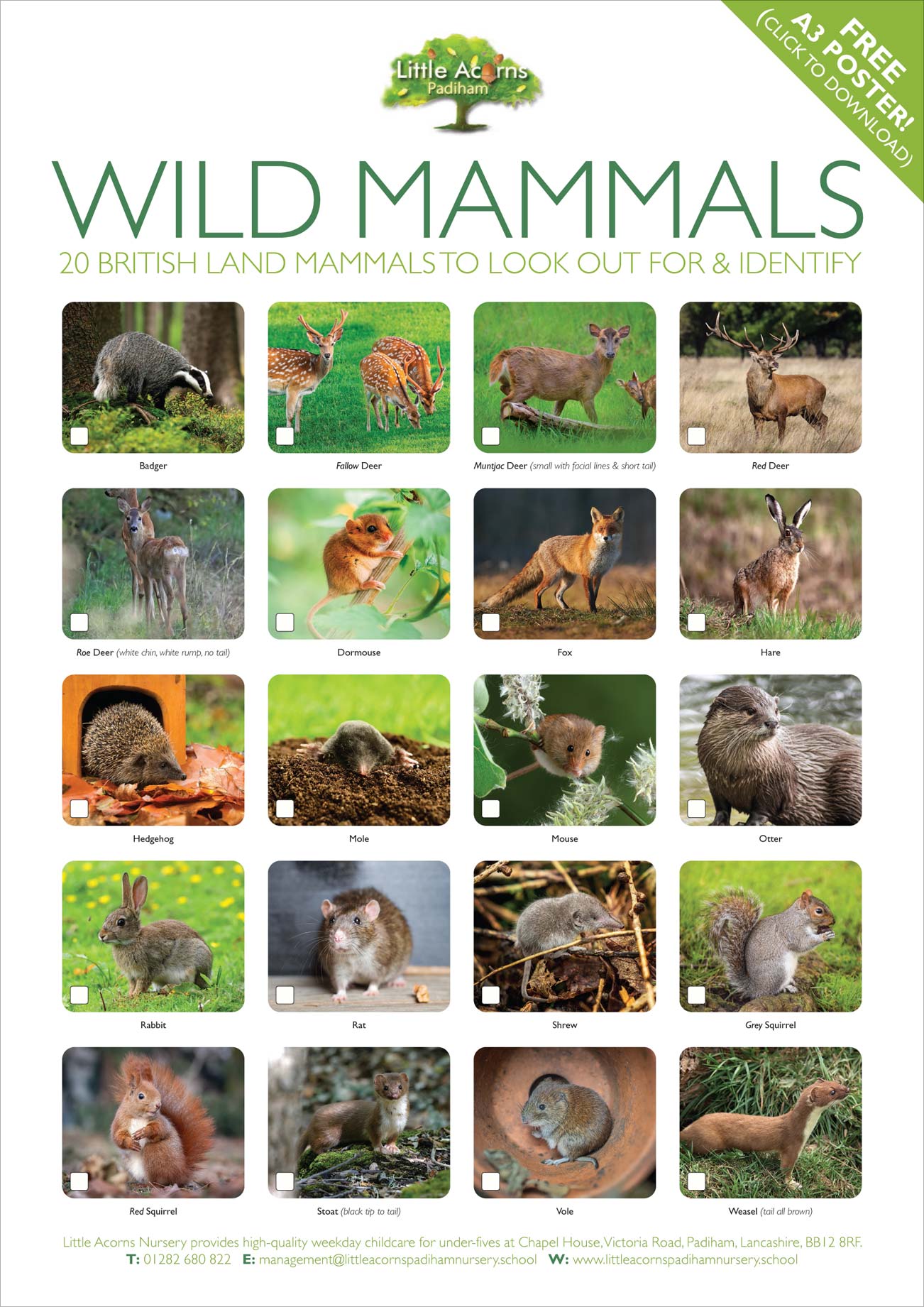
Everyday nature moments can be as simple as collecting interesting leaves, following the flight of a butterfly, or taking time to listen to birds singing in a forest. These small discoveries encourage curiosity, teach children about the universe, and help them feel more connected to the world they live in. Follow the bold, green links to download free reference sheets for such activities.
Childhood Magic in Bigger Adventures
Sometimes, though, it’s worth going a little further to proactively create an experience that feels truly special to you and your child.
 Starry nights lend us a good example. On a warm summer night, perhaps wrap up in blankets, grab a hot chocolate, and sit outside together to watch the stars. See if your child can spot a satellite on its quiet journey, or a shooting star racing across the night sky. Discuss what it might be like up there in space. Ponder whether there are other creatures on faraway planets looking back at us — perhaps a tiny speck of light to them, just as they are to us. We don’t have all the answers to such big questions, but that’s OK — it demonstrates the enormity and complexity of life and the universe — and can only increase the child’s sense of wonder.
A sunset watch is another good example. Find a high spot or hilltop together and take a half hour or so to watch the colours of the sunset sky together. Notice the luminous clouds and beams of light shift and change as the sun makes its way down towards the horizon (avoid looking directly at the sun, of course). Discuss how the day is drawing to a close as the sun dips down and disappears — only to reappear come morning as we travel together on this planetary merry-go-round.
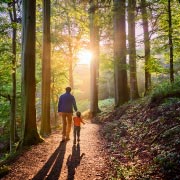
A family adventure or expedition is another great way to give focus to some magical childhood moments. First, build some excitement by announcing the plan for an expedition or ramble in advance. Perhaps it’ll be along a local trail, scenic path, river route, or in an interesting new park. Be sure to call it an “adventure.” Take a picnic, stop to watch horses, feed ducks on a river, or visit a cosy café or tearoom along the way. On such a trip, there is an incredible array of opportunities for memorable and magical moments to mesmerise your child. Whether it’s a spectacular butterfly, a caterpillar that your child has never seen before, an amazing wildflower meadow buzzing with chirping crickets, or an exciting view or discovery around a corner, there is so much to excite and fascinate a young child!
It’s important to know that these little adventures don’t need to be elaborate or costly, though — it’s the sense of discovery, and the feeling of doing something special together, that makes them unforgettable — and wonderful learning moments too.
Cherish Everyday Wonder & Emotional Connections Through Shared Moments
 Magical memories often come not just from what we do with our children, but how we do it. Giving a child and their special discoveries your full attention, feeding back, pondering questions, and marvelling together, all make such moments more special and memorable. The real magic lies in connection — in being fully present with your child, sharing laughter, the sense of wonder, and the warmth of togetherness. The most meaningful memories from childhood need not come from big events or expensive outings — they often come from simple moments that make a child feel curious, loved, and seen.
So, next time your little one spots something wonderful — an interesting feather, dewdrops caught on a web, a sunbeam coming through the clouds — take a moment to pause with them. Those few seconds of shared wonder might just become one of their most magical memories, or rightfully fill them with awe at our incredible world.
Little Acorns: a High-Quality Childcare Nursery in Padiham
A Weekday Childcare Service for Children Under 5

 If you are looking for a good childcare nursery in Padiham for your baby or child under five, consider Little Acorns Nursery. We provide a wonderful home-from-home environment for children under our care, nurturing their learning and development proactively to bring out the very best in them. In this way, they become as school-ready as possible by the time they are old enough to begin school. As well as serving Padiham families, we may also suit those nearby in Burnley, Hapton, Rose Grove, Altham, Huncoat, Read, Simonstone, Sabden, Higham, and Wood End. We are rated as a ‘Good Provider’ by Ofsted and support free childcare funding for eligible families.
Click one of the buttons below to begin your child’s application, to ask questions, or to arrange a free tour of this fabulous Padiham nursery.
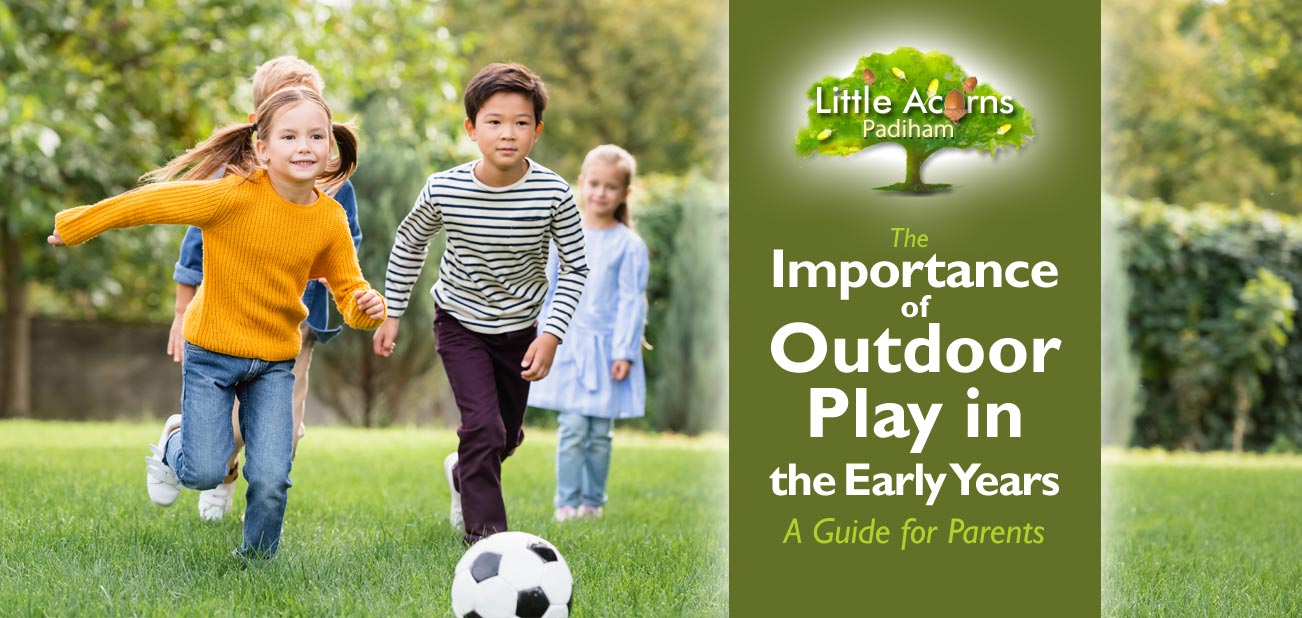
 There’s something truly magical about childhood spent outdoors — the feel of grass under little feet, the thrill of climbing onto a rustic log for the first time, the delight in spotting a ladybird on a leaf, or precious time spent playing with friends. However, in today’s busy, screen-filled world, many children spend far less time outside than previous generations. For children in their early years — toddlers and preschoolers — this simple joy isn’t just fun; it is essential for learning, growth, and wellbeing. Today’s guide explores why outdoor play is so important and offers practical ideas for making it part of everyday life.
 Being outdoors provides more than just fresh air — it encourages movement, sparks curiosity, inspires confidence, and helps children develop in a myriad of ways. Whether they are running across a playground, climbing a tree, or watching an insect on a leaf, children are learning about the world around them and practising skills that will serve them for years to come. Outdoor play is not an optional extra; it is a vital part of healthy early childhood development.
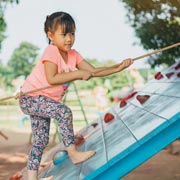 Young children need to build fitness, strength, coordination, and balance, and outdoor play is perfect for this. Running across open spaces, jumping over puddles, or navigating uneven ground all support fitness, muscular development, and bone health. Even small movements like digging in the garden or balancing on playground equipment help children grow stronger, hone balance and coordination, and become more agile.
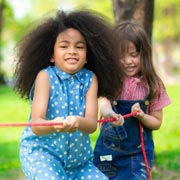 Playing outside with other children is huge fun! It also teaches important social skills, such as sharing, taking turns, and cooperating. It also nurtures emotional resilience — learning to manage disappointment when a game doesn’t go their way, or the thrill of conquering a slightly scary obstacle, helps build confidence. Outdoor play also offers children a sense of freedom and independence, which is crucial for developing self-esteem.
 Some parents may worry that they need large gardens or special equipment to provide meaningful outdoor play, but this isn’t the case. The simplest activities can often be the most rewarding. Jumping in or over puddles, drawing with chalk on the pavement, building things with sticks, or
 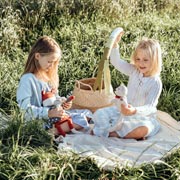 Outdoor play offers unique possibilities throughout the year. In spring, puddles, mud, and budding flowers provide endless opportunities for
  The best way to reap the benefits of outdoor play is to make it a regular part of your child’s routine. Even brief, daily sessions of outdoor activity have lasting benefits. Walks to the park, nursery, or school, time spent exploring a garden, or creating simple outdoor rituals like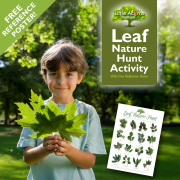
 Summer and autumn are wonderful times for children to experience nature in its full glory. At such times, the natural world is brimming with colourful flora and fauna, and it’s a spectacular feast for their eyes and senses. Outdoors, little ones can learn an enormous amount about the natural world around them, enjoy some fresh air and freedom – under supervision, of course — and reap the
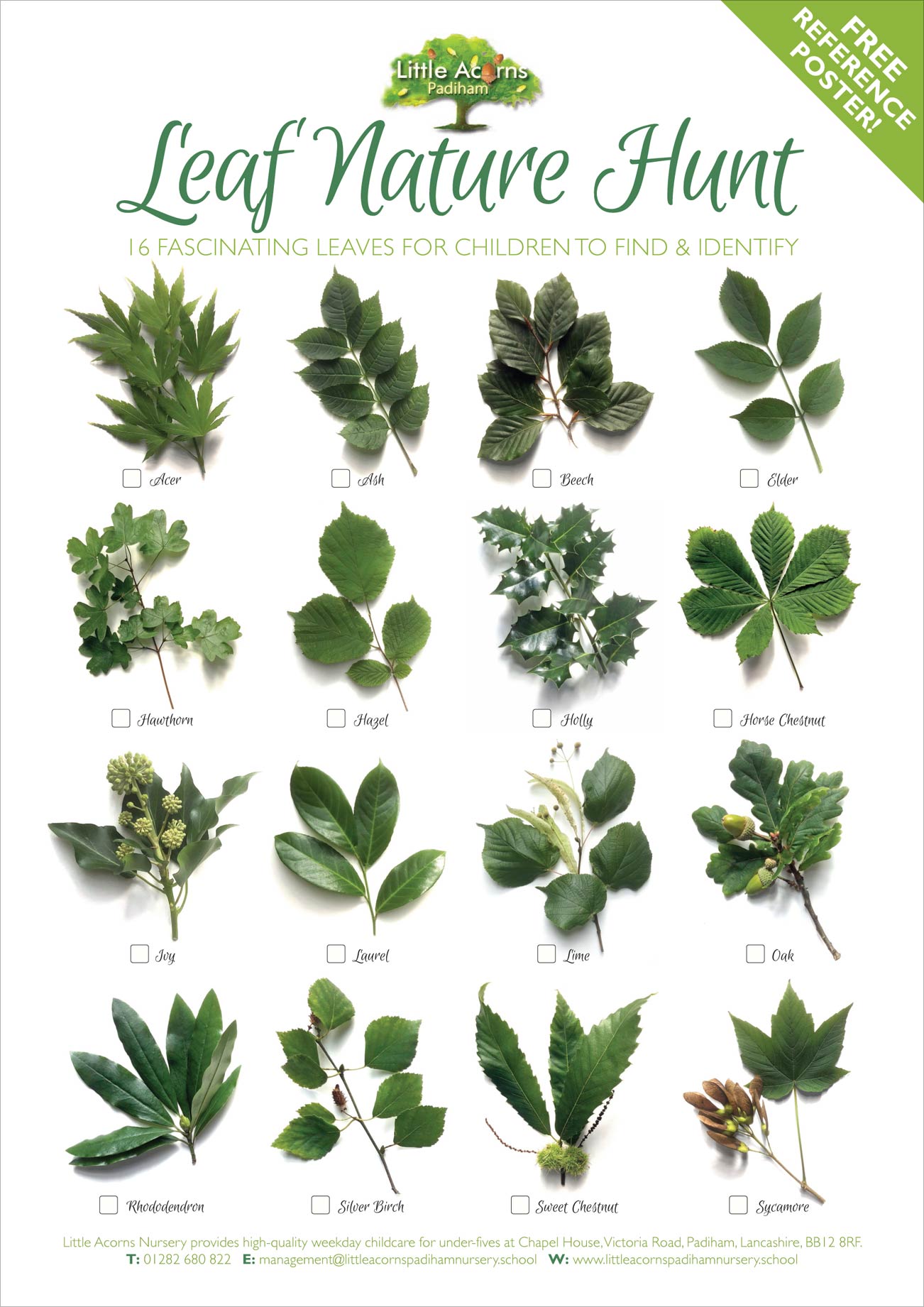
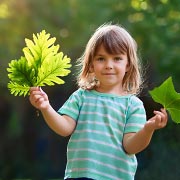 Point out the huge variety of different shapes, sizes, and textures of leaves in the natural world.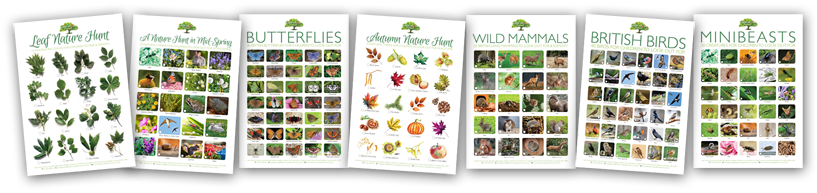
 Bluebells also come in pink or white. They’re referred to as pinkbells (also known as pink bluebells and Spanish bluebells) and whitebells (or white bluebells).
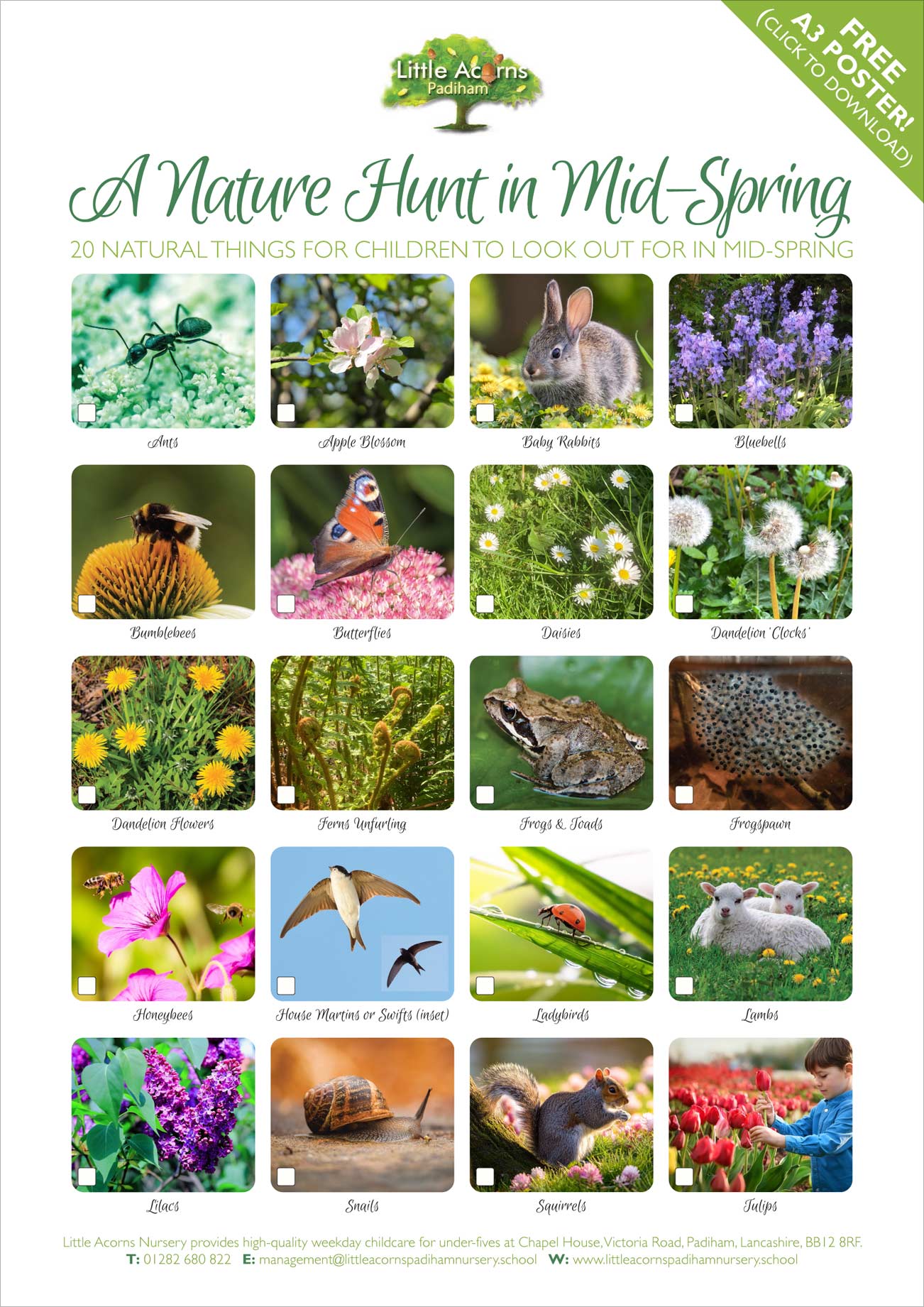
 Does your child know about bee nectar baskets? Those are the little yellow leg pouches that can be seen on some bumblebees’ and honeybees’ legs. They are where the bees collect and store their nectar ready to transport back to the hive.
 We’ve said before — and we’ll keep on saying — nature is incredibly good for children and adults alike. But what are some of the benefits, and why is nature so important to children? Well, we wrote an article about it and you can read our top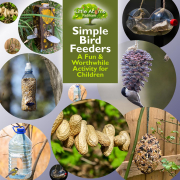
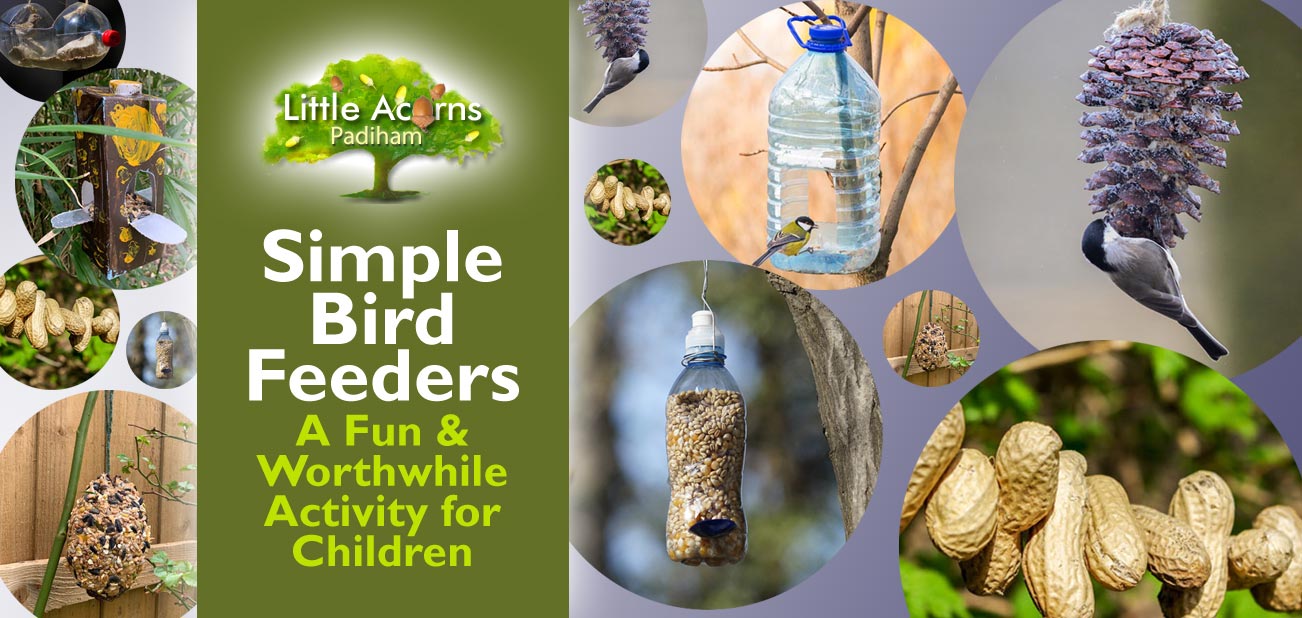
 One fantastic way to encourage children to connect with nature from an early age is by making homemade bird feeders. It’s a hugely popular activity amongst children of all ages, so today’s post is all about how to get started with your child. Although bird feeders can be made at any time of the year, the activity is perfectly suited to the winter and early spring. At this time, wild birds like robins, blackbirds, doves, and sparrows are really struggling to find food. And, with World Wildlife Day arriving in the first week of March, it’s very timely. Take a look!
 A large, dry pine cone
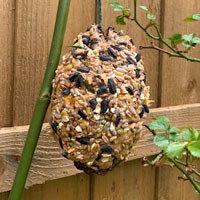 Tie a piece of string securely around the top of the pine cone to create a hanger. Then, let your child spread peanut butter all over the pine cone using a spoon or butter knife. Next, roll the sticky pine cone in a tray of birdseed until it is fully coated. Once completely covered in birdseed, hang it outside on a tree branch or hook and watch as birds come to enjoy their treats!
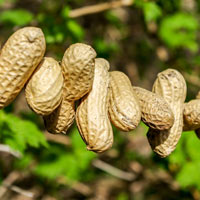 Carefully thread the string through the outer shell of the monkey nuts, tying knots if needed to keep them spaced apart. Once you have a long garland, either tie the ends together to form a loop that can be suspended vertically or attach each end to stretch them horizontally between branches of twigs on a tree or bush. Once birds are used to the new addition to the garden, watch as blue tits, great tits and others enjoy cracking open the shells!
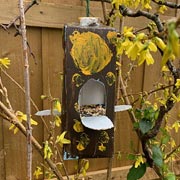 Cut out one or more large holes on the sides of the carton to create openings (adults should do this part for younger children). Thread can be attached at the top – try trapping it under the lid or get an adult to thread it through a hole. Let your child decorate the feeder with paint, stickers, or non-toxic markers. Fill the carton up to the opening(s) with birdseed and hang it up in your garden or balcony.
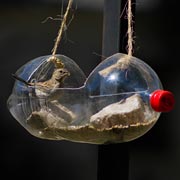 A clean, empty clear plastic water bottle
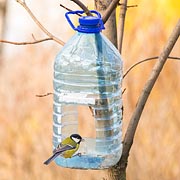 There are a few options for this type of bird feeder, as indicated in the photo examples. Either way, small feeding holes or ‘hatches’ will need to be cut (by a supervising adult) as openings. Optionally, cut small holes on opposite sides of the bottle and insert wooden spoons or sticks through them to create perches. Fill the bottle with birdseed and tie a string to hang it outside. Watch as birds land on the perches and enjoy their treats!
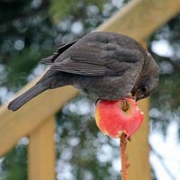 Expose some of an apple’s sides by removing some of the skin. Then, either attach string through (or around) the apple and hang it from a branch outside, or push a stick into it (carefully aimed away from you in case it goes right through) and push the other end into the ground. Watch as birds peck away at the tasty treat! Blackbirds, in particular, love apples!
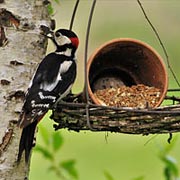 Our personal favourite and key recommendation is sunflower hearts. These are the little kernels inside sunflower seeds and the good news is that by buying them as sunflower ‘hearts’, birds don’t need to remove the shells. Robins, blackbirds, doves, dunnocks, bluetits, great tits and pigeons love them! They’re generally inexpensive, in our experience, and are available widely, including in supermarkets.
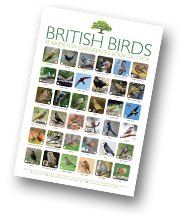
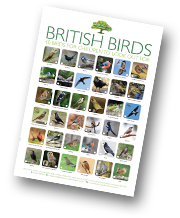 Once your bird feeder is in place, keep an eye out for common garden birds. Typically, birds that are attracted to bird feeders in gardens include robins, bluetits, sparrows, and dunnocks although it does depend on what food you put out for them. Children are also likely to see larger birds like blackbirds, doves, pigeons, magpies and even crows, as they are likely to scavenge underneath for seeds that have dropped from the feeders. To help children identify which birds visit, ensure you have printed out our
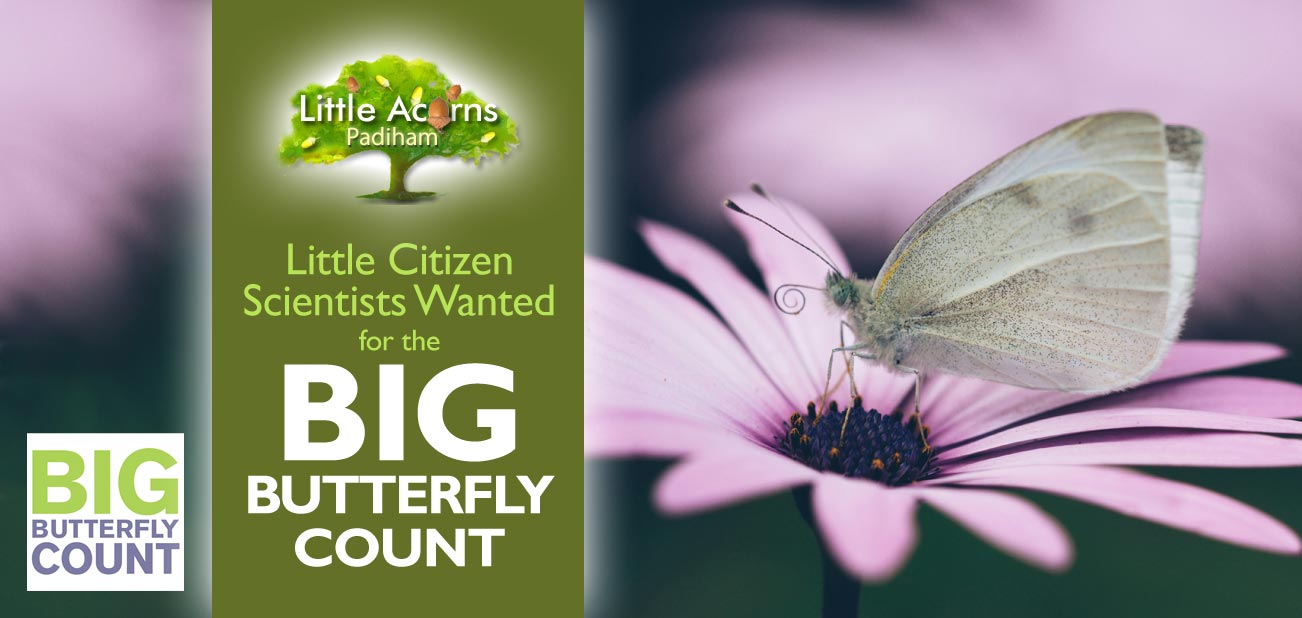
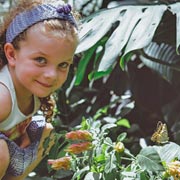 Calling all little citizen scientists — we need your help — and parents too! During part of July and early August the Big Butterfly Count takes place across the UK and the more children and families that take part, the better. All it needs to take is 15 minutes and taking part will help butterflies, daytime-flying moths and the conservation of nature and biodiversity in general. What’s more, it’s a free, enjoyable, educational, and hugely worthwhile activity for children and families to take part in. In today’s post, we’ll tell you everything you need to know in order to take part in 2024’s Big Butterfly Count. Little citizen scientists: get ready!
 You’ll need a tiny bit of preparation, but it’s quick, free, and easy…

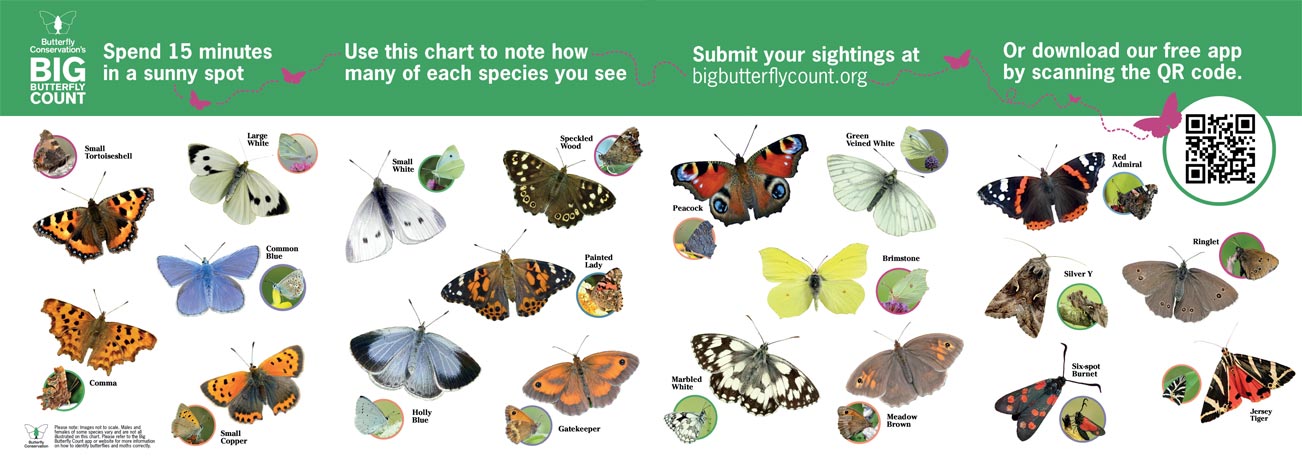
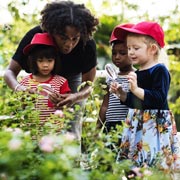 Once you’ve chosen a suitable location that has flowers blooming and is ideally sunny and sheltered, you are ready to count butterflies and submit them to the Big Butterfly Count survey.
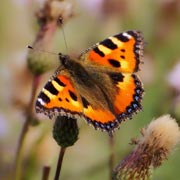 In addition to taking part in the Big Butterfly Count, children and families can help butterflies in other simple ways too. What’s more, they’re also fun, educational, and make the world a better place. Additional ways to help butterflies – and other pollinators – include:
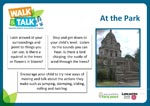
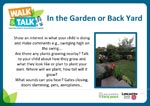
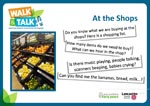
 Lancashire’s Walk & Talk Initiative is a scheme that’s wholeheartedly supported by the childcare practitioners at Little Acorns Nursery in Padiham. We encourage all Lancashire parents to take part too. It’s an initiative that is incredibly simple but has far-reaching benefits for children in their early years. Let’s take a look today at what Walk & Talk is all about, what its aims are, the benefits to children, and how families can get involved.
 a reduction in the ‘word gap’ — helping children learn new words and widen vocabulary;
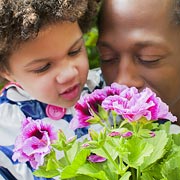 The scheme also aims to encourage children to use a variety of senses. These include, for example, sight, smell, touch, taste, hearing and, of course, active listening. When out on walks there are so many different things for children’s senses to be stimulated by and each lends itself to a conversation. Whether it’s the sound of birdsong, the feeling of the wind on their faces, the smell of freshly-cut grass on the breeze, the noise of traffic, the dazzlingly beautiful colours of blossom, or the mouth-watering smell of food cooking around the neighbourhood or town, walking is indeed a feast for the senses.

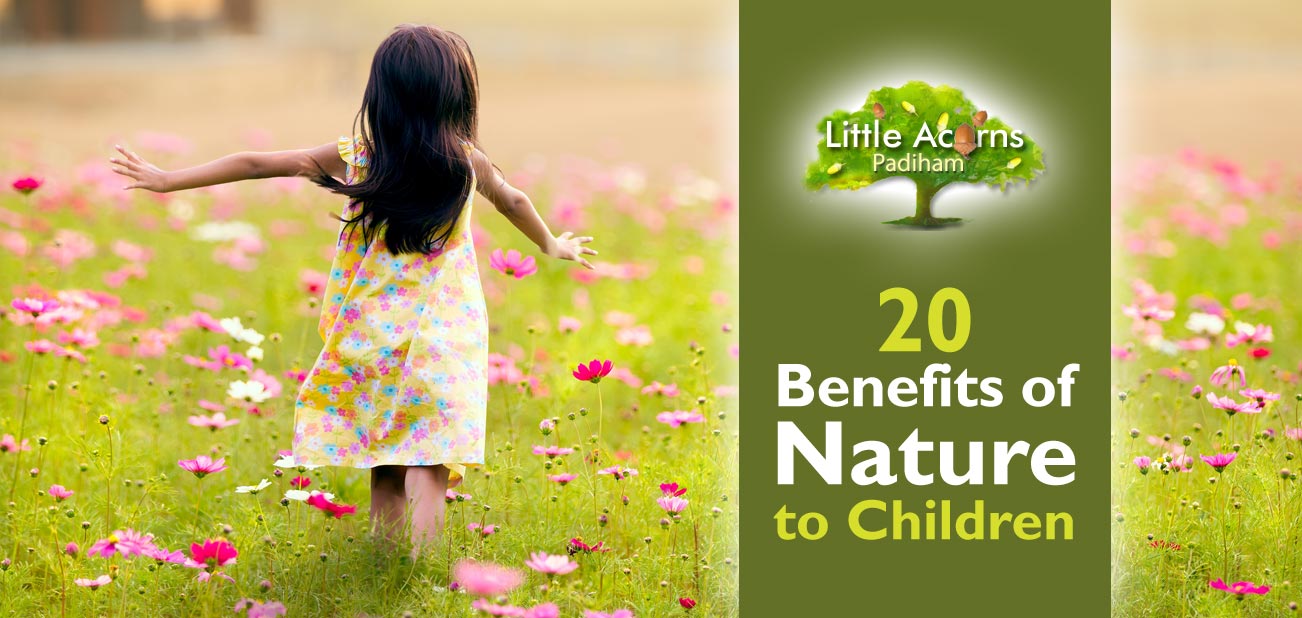
 One of the many reasons we love nature and nature-based children’s activities here at Little Acorns Nursery is that nature is incredibly beneficial to children. What’s more, the benefits start right from their earliest years and are profoundly powerful to little ones. There have been many studies about this over the years and they all seem to conclude that nature is incredibly good for us all, especially so during the early years. Today’s post looks at 20 of the key benefits that spending time in and around nature holds for children and, with Spring now upon us, it’s the perfect time to begin getting little ones outside more, weather permitting.
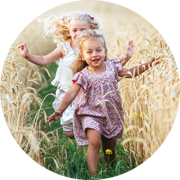 Spending time in and around nature means children are more likely to be active, for example, walking, running, skipping, climbing, playing, making, or simply building a den. Such activities will not only help them hone fine and gross motor skills, but will also improve coordination, balance, and fitness. Those skills will help them day-to-day while expending energy in this way will help them maintain a healthy weight and body-mass index.
 One of the more obvious benefits of nature is that it gives children a huge sense of freedom that they might not otherwise experience. Being in The Great Outdoors allows children, under appropriate supervision, to run, explore, and play in ways that are far more free than in any other situation. This will also give them a huge sense of natural joy.
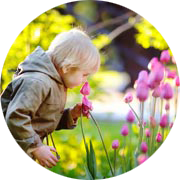 The stimulation of the senses is never more important than during children’s early years and spending time in nature is the perfect vehicle through which to do so. With so many colours, sounds, smells, textures and even (under adult supervision) tastes available in the natural world, it is indeed a feast for children’s senses. Through the senses, children will learn more about the world and generate millions of new connections in their developing brains. It’s almost magical!
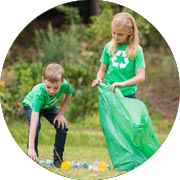 Being around nature regularly can also help children lean naturally towards environmental issues, learn about the problems and become part of the solution. An appreciation of nature is indeed the first step towards becoming environmentally conscious and proactive. That’s a great thing for the planet, particularly as today’s children will become tomorrow’s custodians of the Earth.
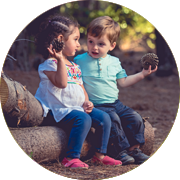 Children generally team up with friends when they’re playing and exploring outdoors. Spending time playing together in natural environments fosters many different kinds of interaction. This can boost confidence, language, communication and social skills. Stronger bonds and a deeper understanding of peers are likely to form from this.
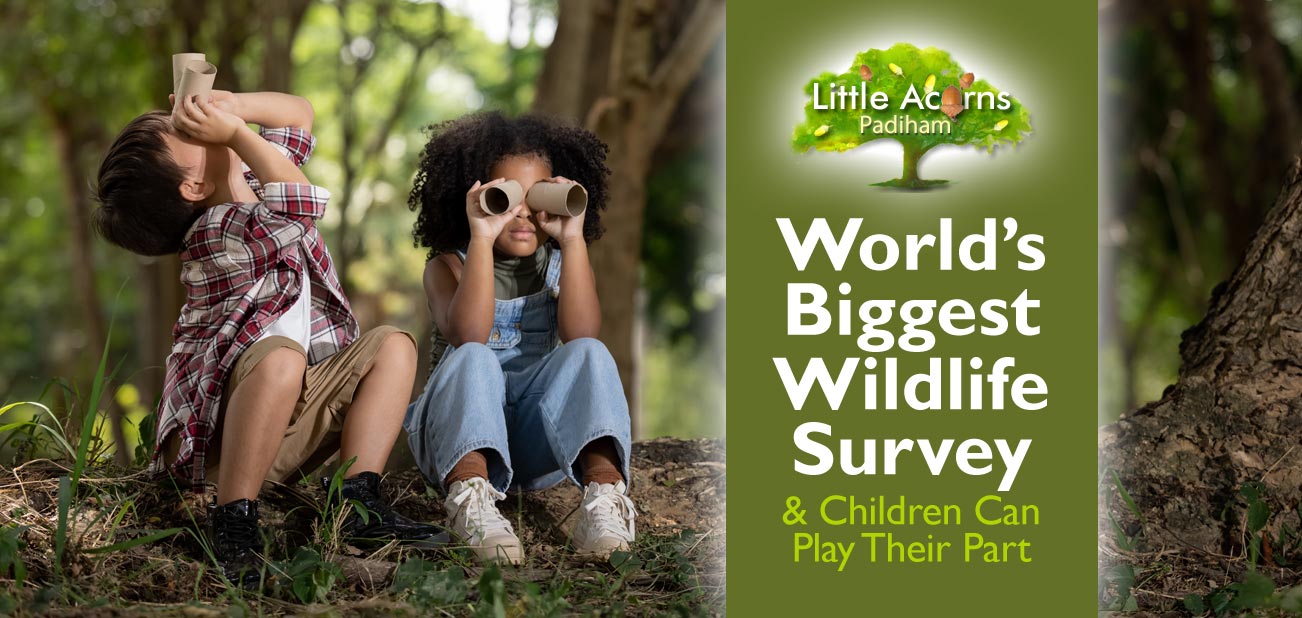
 Children, adults, and whole families are gearing up to take part in the world’s biggest garden wildlife survey in early 2025. Organised by the RSPB (Royal Society for the Protection of Birds), the Big Garden Birdwatch requires just one hour of your time during late January 2025. It’s free, hugely worthwhile, and will benefit nature, conservation, and children themselves. So, why not set a date for your diary and take part? Today’s post explains how to enrol, what to do, and how it will benefit all parties involved.
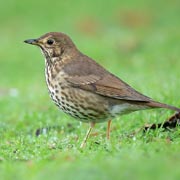 The Big Garden Birdwatch is designed to keep tabs on wild bird populations in the UK. It’s a survey that’s been undertaken across the UK every year since 1979 and allows the RSPB and conservationists to monitor whether any bird species are under threat. Sadly, survey findings in recent years have found this to be the case, with overall bird populations having declined by a staggering 38 million in the last 60 years. Song thrushes alone, for example, have declined by 80% and even the UK’s most populous bird species, House Sparrows, have declined by 57% since the survey began.
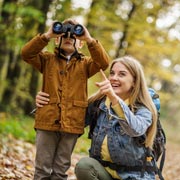 The Big Garden Birdwatch is also a great way to get children outdoors, close to nature, and to introduce them to the concept of nature conservation. By taking part, children can contribute to bird conservation as well as directly benefit in a number of ways themselves. For example, they can
 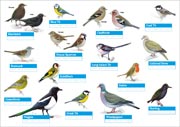 Enrolling your child or family into 2025’s Big Garden Birdwatch is easy and free. Simply
 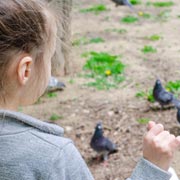 Decide on a natural spot where you’ll undertake your hour’s birdwatch. Your garden, local park or even a balcony will do fine.
 Enjoying Birdwatching?