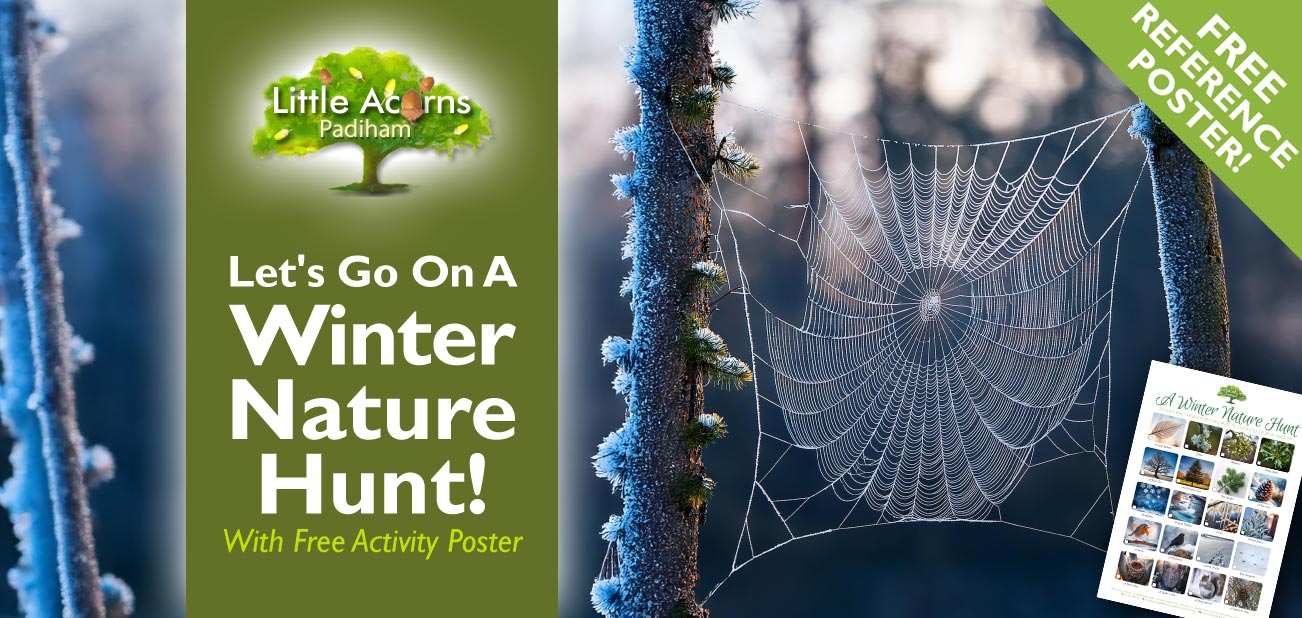
Winter has arrived, and, along with this new, cold season, come some remarkable things for children to see outside in the natural world — and that’s exactly what today’s post is all about. It’s a challenge to little ones to see if they can spot 20 nature-related things outdoors over the coming winter months. What’s more, it comes with a free poster that children can download, print out, and use for reference while they’re out and about on their Winter Nature Hunt.
When Is Winter?
According to the Astronomical calendar, winter arrived with us on December 21, 2025, at what’s known as the Winter Solstice, the shortest day of the year. It’ll remain with us until the Spring Equinox on March 20, 2026, when days and nights once again even up to become virtually of equal length.
In contrast, winter is said to arrive on the first day of December and end on the last day of February — 3 whole calendar months — according to the Meteorological Calendar. That particular calendar works in ‘full’ months as a way of keeping things simple, for example, for weather services and records.
What Can Children Look Out for in Winter?
Take a look at the preview of the reference poster below and the commentary that follows. Despite winter being the season when nature is mostly dormant, it is packed full of interesting and exciting things for children to look out for. Download or view the poster by clicking it, then save it to your device, and print it out to A4 or A5. Children can take this with them on their Winter Nature Hunt and see how many of the 20 suggestions they can discover. Tick boxes are provided.

Magical Snowflakes
With winter arriving, it’s certainly cold out there! That means that snow is more likely to arrive at some point. When it does, children can look out for the little miracles that are snowflakes. Each one is amazing, as children will see if one lands softly on their winter jacket or gloves. By looking closely, your little one will see the intricate 6-pointed shape that’s unique to each flake. Snowflakes really are miraculous! They will both enthral and amaze children if they take a moment to look carefully and compare one snowflake to another.
Icicles
Once the snow starts to thaw, children can also look out for another natural wonder on our Nature Hunt list — icicles. They’re beautiful too, in their own way, each telling a story of the dripping water that’s formed them.
Animal & Bird Tracks
When there’s a blanket of snow on the ground, children will also be able to look out for animal tracks and the footprints of birds. If there’s no snow, it’s still possible to do so by looking in patches of mud (all such activities undertaken with close adult supervision, of course). Such prints are a great way to see which creatures have been passing through at some point earlier in the day or night.
Frost-Encrusted Plants, Trees & Spiders’ Webs
Frost is also rather magical when it arrives, especially first thing on a winter’s morning when it coats literally everything. Children can look out for leaves, grasses, and even spiders’ webs bejewelled in the tiny crystals of ice that make frost. They make the landscape’s plants and trees look magical! And those spiders’ webs look so incredibly decorative when coated, whether by frost, morning dew, or even raindrops. Nature is incredibly beautiful, and children will instinctively be drawn to such wonder.
Leaf Skeletons
Leaf skeletons are another natural wonder for children to look out for. They may not be so easy to discover, but they are out there if children take the time to look. Once found, children will be delighted and intrigued by the fine, structural filigrees that make up the leaf shapes. Leaf skeletons are also something children can take home to press between the pages of a book or pad, so they dry flat. They can be used simply as keepsakes or as part of a creative activity of some kind.
Winter Visitors Like Birds & Squirrels
Let’s also not forget some of the feathered and furry friends that little ones can look out for in winter. On the free poster, we’ve highlighted just three as a starting point — robins, blackbirds, and grey squirrels. All such creatures may become regular winter visitors if the right food is provided. Birds love sunflower hearts and grated Cheddar cheese, for example (learn more in our Simple Bird Feeders guide). Squirrels love nuts, seeds, and sunflower hearts too, as well as bird-safe peanuts. Such foods are very much welcomed by many of nature’s garden visitors over winter, when natural food sources are so depleted.
Lichen, Mistletoe, Pine Cones, & Much More
Other items that will intrigue children are also included on the free poster, for example, lichen, mistletoe, pine cones, and pine needles. Speaking of trees, we also highlight two major types of trees for little ones to look out for and compare; evergreens have leaves or pine needles all year round, while deciduous trees shed leaves in autumn and have bare branches throughout winter. All such natural occurrences can spark educational conversations between parent and child. Children can learn so much from nature and the world around them. Our poster is just a starting point, though, and there are many more interesting, educational, and amazing things to look out for during the winter months if children and families take the time to proactively look. Nature is amazing but, what’s more, nature is incredibly good for children (and adults). This is therefore a very worthwhile activity — have fun!
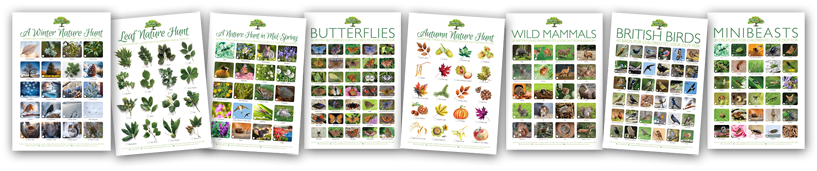
More Free Nature Activity Posters for Kids!Today’s Winter Nature Hunt activity is one of a series that each comes with a free, downloadable poster for children. So, why not also try our Spring Nature Hunt activity, Autumn Nature Hunt, and Leaf Nature Hunt activity? We also have a free British Land Mammals poster, Minibeast spotting poster, Bird spotting poster, and Butterfly spotting poster for families to use as the basis of more outdoor activities. Click the bold links for more information and free downloads.
|
Little Acorns Nursery
Padiham’s Premier Childcare Service
 Little Acorns Nursery is a wonderful weekday childcare setting in Padiham, where children’s learning and development are nurtured in a warm, home-from-home setting. With its own garden and nature zone, little ones get to enjoy nature safely on-site, as well as benefit from the fabulous activities, resources, and facilities indoors. Recognised by Ofsted as a good childcare provider, Little Acorns really is an excellent choice for early years childcare.
To learn more, enrol your child for a place, or come for a guided visit, please get in touch today:
Little Acorns is a high-quality nursery in Padiham, Lancashire, that provides first-class weekday childcare to local families, virtually all year round. As well as serving those in Padiham, we may also suit families nearby in places like Hapton, Rose Grove, Burnley, Altham, Huncoat, Read, Simonstone, Sabden, Higham, and Wood End.
Safety First!
Don’t forget: children, particularly the youngest, should always be accompanied and supervised by a parent or responsible adult when exploring outdoors — there are many hazards out there!
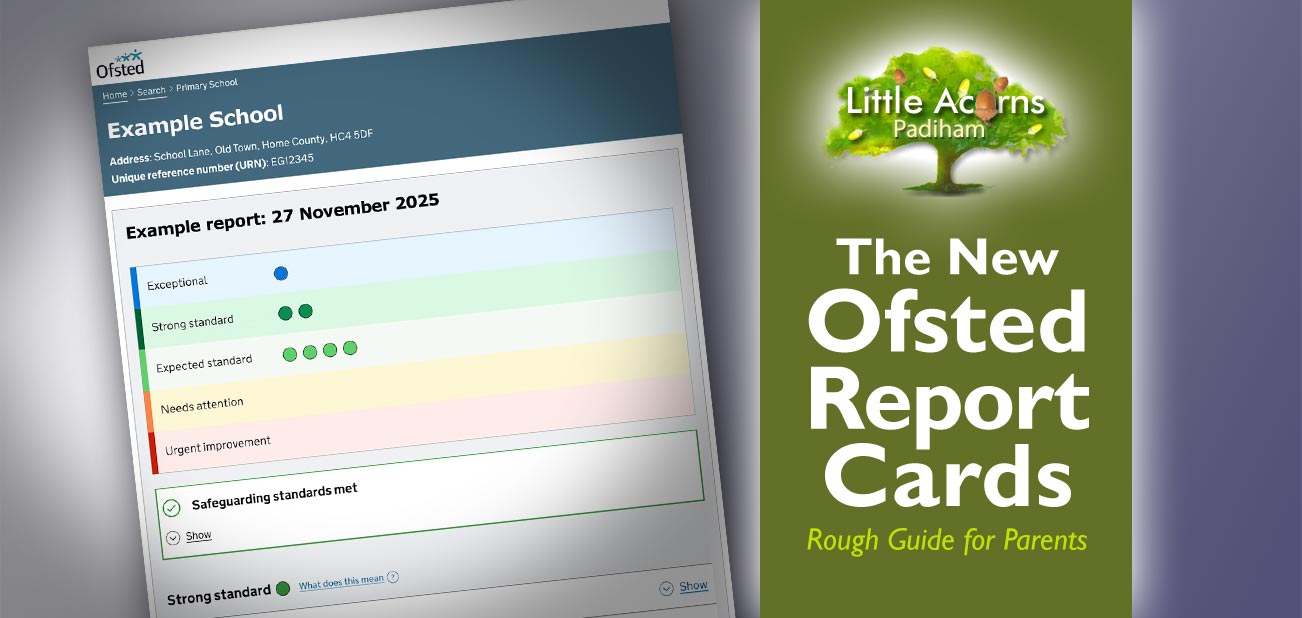
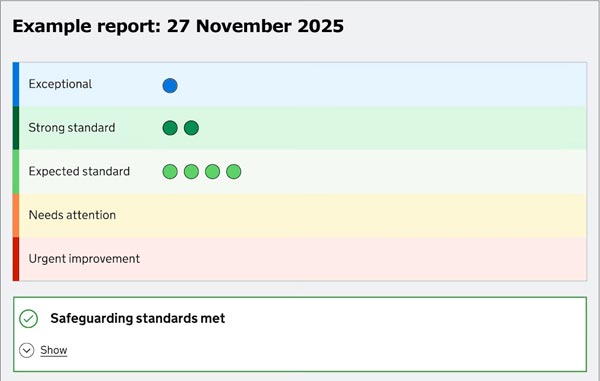
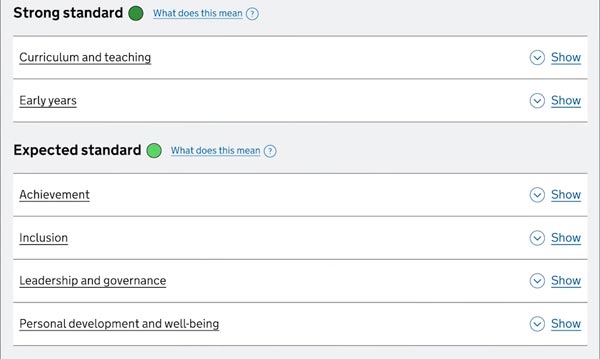
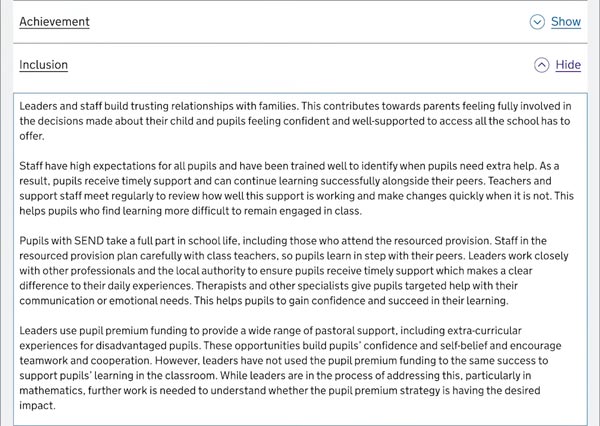
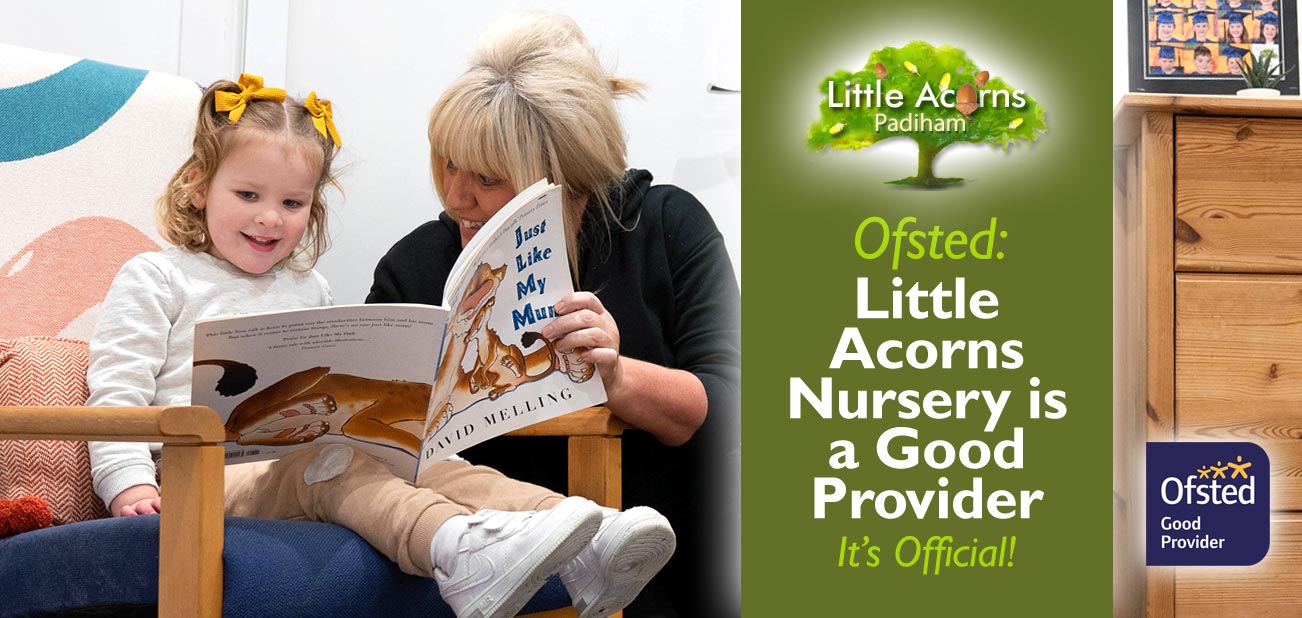
 We’re delighted to announce that Ofsted has published a stunning report for Little Acorns Nursery, Padiham. It’s now official that this excellent Padiham childcare setting is a ‘Good Provider’ — in every category! What’s more, the Ofsted inspector published some wonderfully positive comments about the nursery, staff, and quality of care as part of the report. Their findings are a testament to the high quality of the setting, the professionalism of its early years practitioners and leadership, and the positive impact the nursery has on babies and children in its care. Today, we take a deep dive into the details.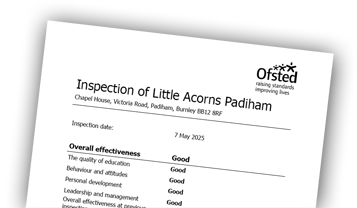
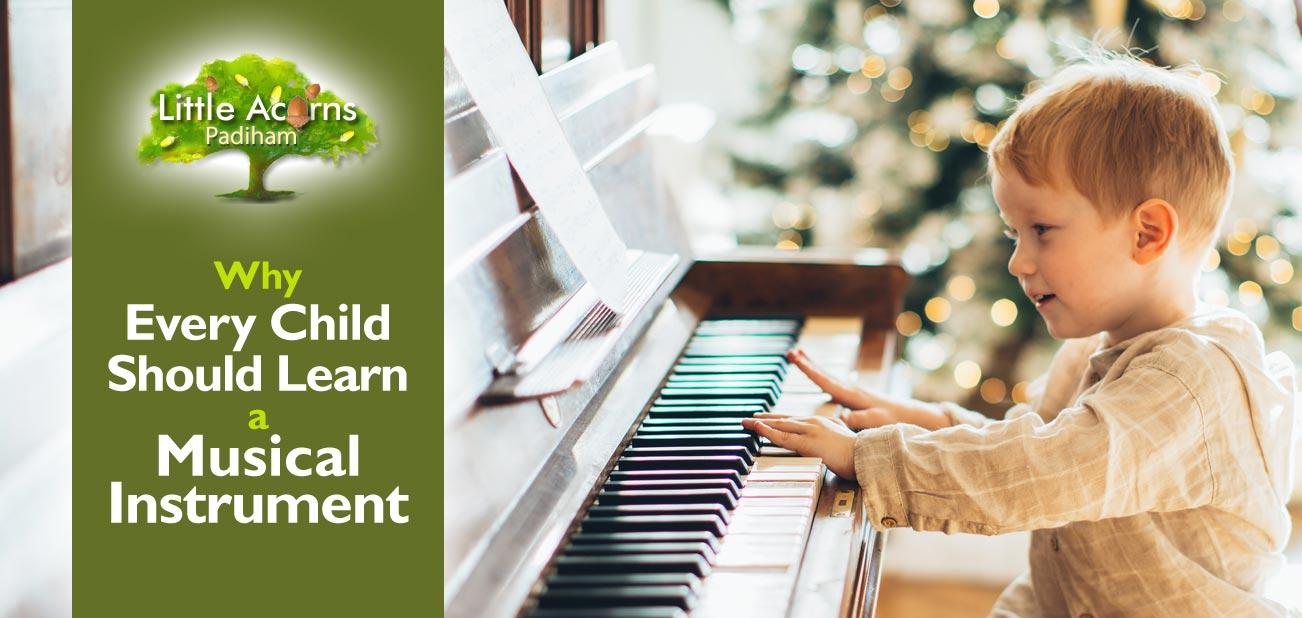
 Even the youngest children seem to have an affinity towards playing a musical instrument. Put any child in front of a piano, guitar, or drum, or hand them a tambourine or shaker and they’ll immediately engage in generating sound and rhythm. It seems to be instinctive and children find music-making almost compelling — and great fun to boot. What’s more, children seem naturally keen to become better at playing instruments and, in time, to be able to play a recognisable tune. With that being the case, it’s often very easy to encourage them to take lessons, whether formally or informally, often leading to a lifelong vocational skill. What many parents may not know, however, is just how beneficial learning to play musical instruments is to little ones. Indeed, learning to play benefits them in often profound ways and that’s what we take a look at in today’s post.
 When children play a musical instrument, learning to read music is a natural progression. Although it is communicated using different symbols, reading music is akin to reading words in a book. There is a flow from one side of the page to the other, every detail needs to be taken into consideration, and the left side of the brain is doing the work. Indeed, the left side of the brain controls reasoning and processes language. Whether reading music or words, each mark means something and communicates something to the reader. As such, children who learn to read music and do so regularly may find that it also helps them to read words in books.
 Learning to play a musical instrument and read music requires thought, deep concentration, and analysis. All such activity is great exercise for a child’s developing brain. It gets synapses firing, helps in the development of new connections, and truly enhances cognitive development. It’s rather like a multi-gym for the brain!
 When children learn to play a musical instrument, collaboration is a natural next step. Whether joining a band, writing songs as part of a team, or playing in the school orchestra, such collaboration is a fabulous way for children to make new friends and acquaintances. Through making music, their friendship circles will naturally grow and that’s a wonderful benefit.
 Music is almost magical in its ability to set moods. It can bring calm and reduce stress, for example. It can make us – and children – more meditative and reflective, more energetic and ‘pumped’, and anything in between. It can and often does lift our spirits too. It’s a wonderful way for children to experience and even change emotions and, when chosen appropriately, is good for their well-being.
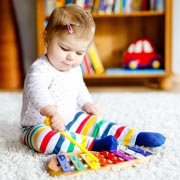 Even the youngest of children will take pleasure from shaking a homemade shaker, beating a box or drum, or jangling a tambourine. Such things are great starting points to introduce little ones to musical instruments. They can later progress to more advanced instruments like ocarinas, recorders, keyboards, guitars and so on.
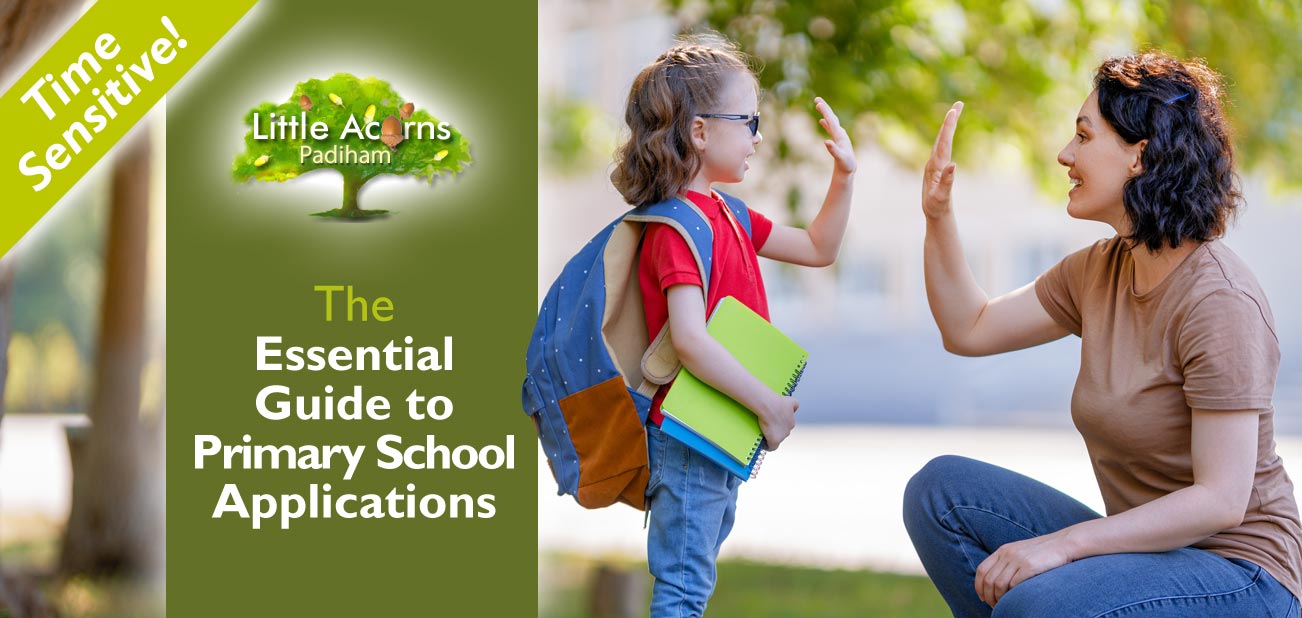
 Primary school applications need to be submitted while the child is three or, at the very latest, has very recently had their fourth birthday. Because applications received on time are processed first, failure to apply by the due date means a child is less likely to receive an offer for their preferred school — places may no longer be available that late in the day.
 Choosing a primary school for a child is an important step for any family. Somewhere conveniently close makes sense — and indeed is one of the most important criteria for offers, as we’ll see later. After all, you don’t want to be late dropping off or picking up your child because you’re stuck in a traffic jam miles away. Somewhere local will also mean your child has friends who are conveniently close by, which is another good thing. And, of course, if your child’s sibling already attends, then that school would usually be a natural first choice, assuming you’re happy with it of course.
 While the eligibility criteria for school places are not identical for all locations, there are several factors that are fairly standard. For example, schools closest to a child and those where a sibling already attends are usually favoured. Children may also be more likely to be accepted at a school where a parent has worked for 2 or more years. Church/faith schools are often also more likely to accept children who share the same faith.
  Primary school offers are first sent, by email, to those who applied on time and included a valid email address on their forms. Offers to such families are released on the morning of the 16th of April or the next working day if that happens to fall on a weekend or public holiday. Others who supplied an email address on their application, but who applied late in respect of the 15 January deadline, will usually receive offers via email the same day, although later on. Others, without an email address specified on applications, will receive offers via Second Class post, so are likely to see offers later than the 16th of April. Some local authorities, however, allow people to log onto a portal to view offers from that date. Note that those applying ‘in-year’ receive offers on different dates to the standard ones specified above.
 Parental involvement in a child’s education can take several forms. Note, however, that the benefits are most positive when parents engage right from the early years, beginning in children’s nursery and preschool years. The examples below show the kinds of parental involvement that will enhance children’s lives:
 Applying that information in the form of help and support while the child is at home. Referring to the right textbooks, helping with homework, and helping the child understand any tricky topics are typical examples of areas where parents can help children at home.
 When children do well, praising them will encourage them to keep up the good work. It’ll give them a greater sense of achievement, and some moral support, and help instil a love for learning in them.
 Let’s now look at some of the benefits that children can expect to enjoy when parents are closely involved in their education.
 The benefits of parental involvement in education to children are numerous, though, also including the lowering of stress levels and improved knowledge, skills, outlook and outcomes. The deep and reliable source of support, together with all the other benefits, also combine to make children feel happier, have a higher quality of life, be less likely to skip lessons, be well-behaved, and have closer bonds with both parents and childcare/education staff.
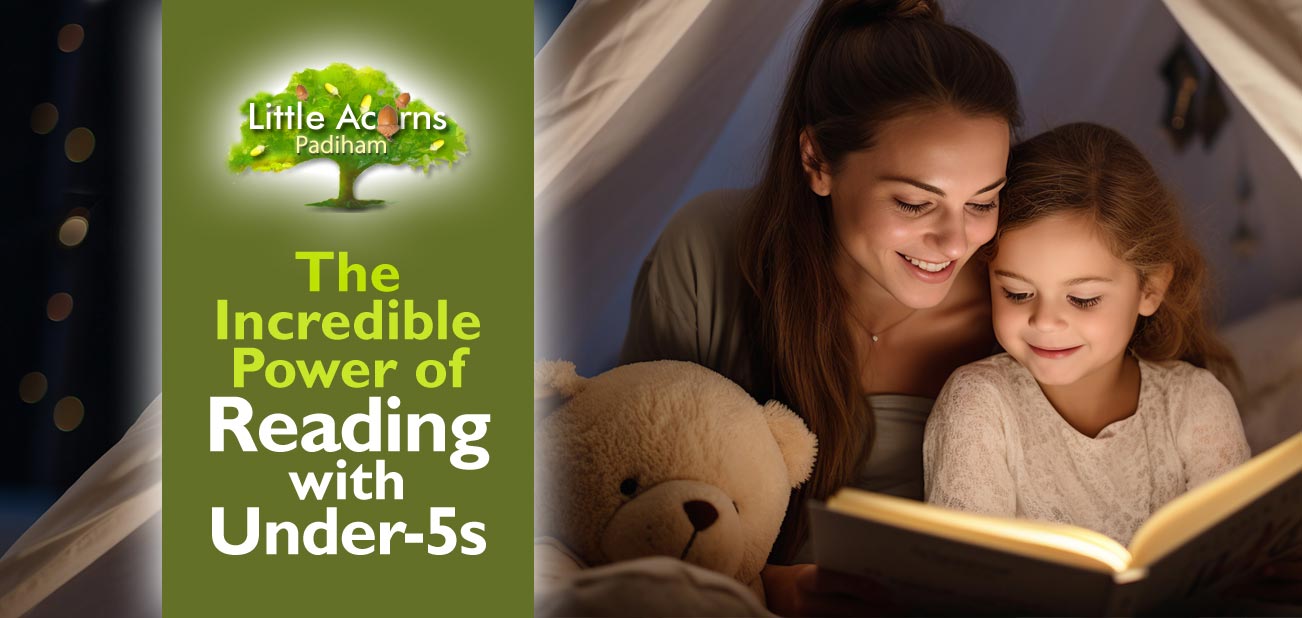
 Parents and caregivers have a simple yet incredibly powerful tool at their disposal to significantly boost the education of children under five: reading with them. In study after study, this simple activity has been shown to transform a child’s early years of education, giving children short-, medium-, and long-term benefits that even extend into adulthood. With that in mind, we take a look today at the many benefits and incredible power of reading with children, especially those under five.
 When you read to them, the cognitive benefits to children are profound and this is backed-up by findings from multiple studies. The benefits include improved memory, problem-solving, logical thinking, and memory skills. Even children’s attention spans are seen to improve when parents regularly read with them.
 One of the biggest winners when reading with children is the boost to their language skills. Indeed, a 4-decade study (
 If children are to get the most from reading, it’s important to read with them. That’s all about making it interactive, engaging and fun to ensure children are involved. There are a number of ways to accomplish this and doing so will be the key to them gaining the most benefit from the activity.
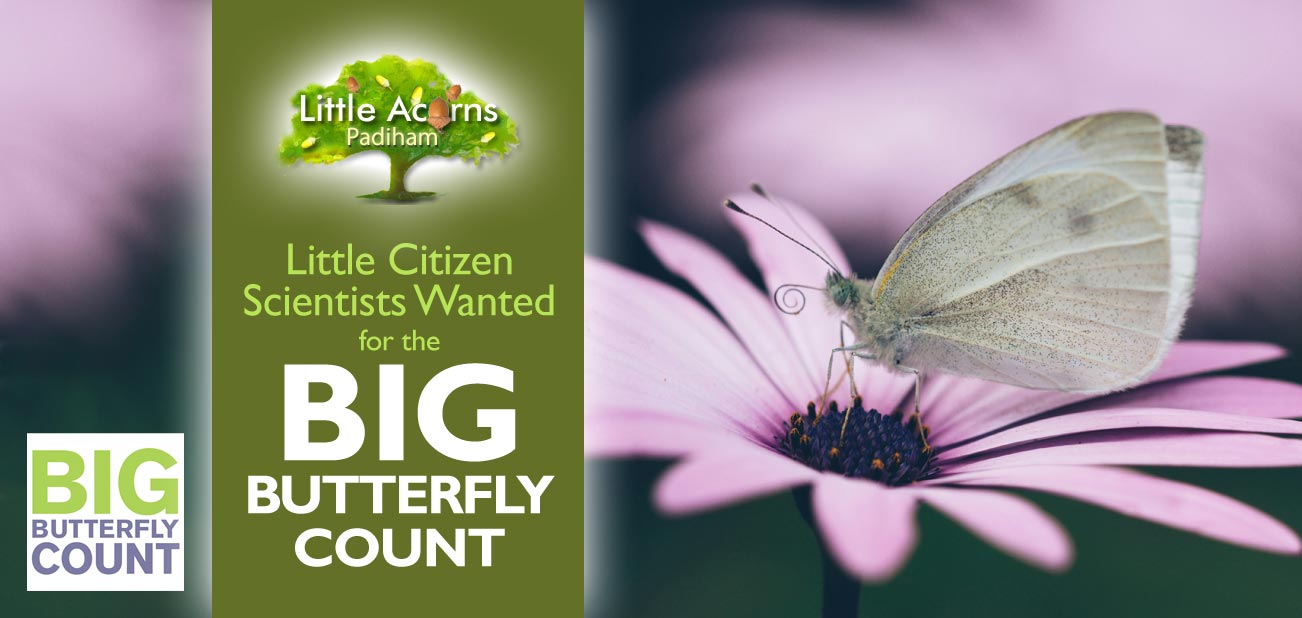
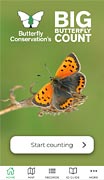
 Calling all little citizen scientists — we need your help — and parents too! During part of July and early August the Big Butterfly Count takes place across the UK and the more children and families that take part, the better. All it needs to take is 15 minutes and taking part will help butterflies, daytime-flying moths and the conservation of nature and biodiversity in general. What’s more, it’s a free, enjoyable, educational, and hugely worthwhile activity for children and families to take part in. In today’s post, we’ll tell you everything you need to know in order to take part in 2024’s Big Butterfly Count. Little citizen scientists: get ready!
 You’ll need a tiny bit of preparation, but it’s quick, free, and easy…

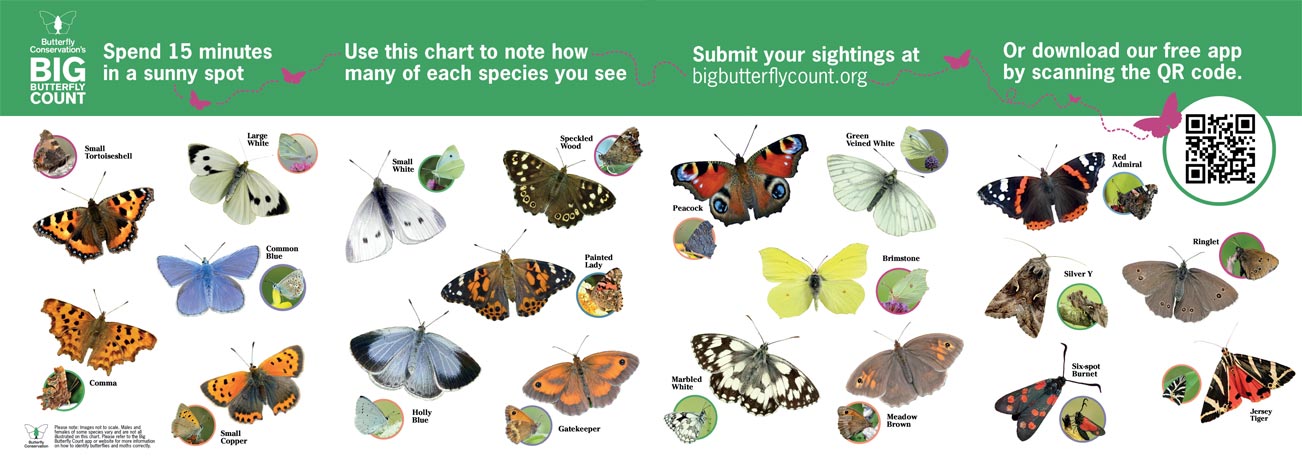
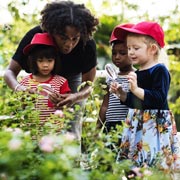 Once you’ve chosen a suitable location that has flowers blooming and is ideally sunny and sheltered, you are ready to count butterflies and submit them to the Big Butterfly Count survey.
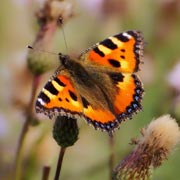 In addition to taking part in the Big Butterfly Count, children and families can help butterflies in other simple ways too. What’s more, they’re also fun, educational, and make the world a better place. Additional ways to help butterflies – and other pollinators – include:
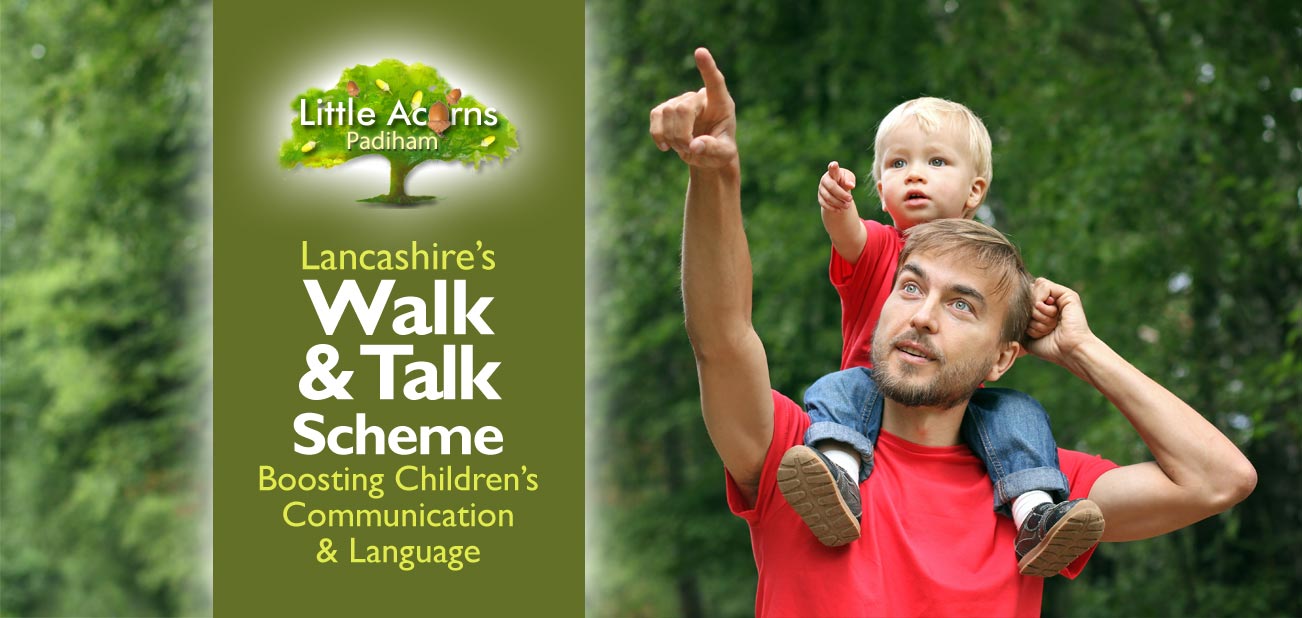
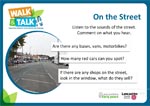
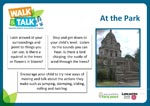
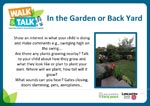
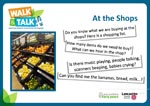
 Lancashire’s Walk & Talk Initiative is a scheme that’s wholeheartedly supported by the childcare practitioners at Little Acorns Nursery in Padiham. We encourage all Lancashire parents to take part too. It’s an initiative that is incredibly simple but has far-reaching benefits for children in their early years. Let’s take a look today at what Walk & Talk is all about, what its aims are, the benefits to children, and how families can get involved.
 a reduction in the ‘word gap’ — helping children learn new words and widen vocabulary;
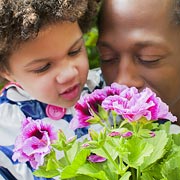 The scheme also aims to encourage children to use a variety of senses. These include, for example, sight, smell, touch, taste, hearing and, of course, active listening. When out on walks there are so many different things for children’s senses to be stimulated by and each lends itself to a conversation. Whether it’s the sound of birdsong, the feeling of the wind on their faces, the smell of freshly-cut grass on the breeze, the noise of traffic, the dazzlingly beautiful colours of blossom, or the mouth-watering smell of food cooking around the neighbourhood or town, walking is indeed a feast for the senses.